Ludlow Engineering logo, representing a land surveying company in Utah, associated with land survey cost variations and related services.

Commercial Site Development Engineering in Central Utah

Construction site in Central Utah with workers in safety vests and hard hats, heavy machinery operating, and materials like dirt and concrete blocks on the ground, illustrating commercial site development engineering.

Commercial Site Development Engineering Guide for Central Utah

Commercial site development engineering is a critical process that transforms land into functional spaces for businesses. This comprehensive guide will delve into the intricacies of commercial site development engineering in Central Utah, covering essential aspects such as planning, design, compliance, and execution. As businesses seek to establish their presence, understanding the nuances of site development becomes paramount. This article will explore the planning phase, design considerations, regulatory compliance, and the execution phase, providing valuable insights for stakeholders involved in commercial development projects. By addressing these key areas, we aim to equip readers with the knowledge necessary to navigate the complexities of site development effectively.

Comprehensive Guide on Commercial Site Development Engineering in Central Utah

The process of commercial site development engineering encompasses various stages, each crucial for the successful transformation of land into usable commercial spaces. This guide aims to provide an overview of the essential components involved in site development, emphasizing the importance of thorough planning, innovative design, and adherence to regulatory requirements. Understanding these elements is vital for ensuring that projects are completed efficiently and in compliance with local laws.

1. Introduction

Commercial site development engineering refers to the planning, design, and execution of projects that prepare land for commercial use. This process involves a series of steps, including site evaluation, design considerations, and compliance with local regulations. The significance of this field lies in its ability to facilitate the transformation of raw land into functional spaces that meet the needs of businesses and communities. In Central Utah, where growth and development are on the rise, understanding the intricacies of commercial site development is essential for stakeholders. This article will explore the various phases of site development, including planning, design, compliance, and execution, providing a comprehensive overview of the process.

2. Planning Phase

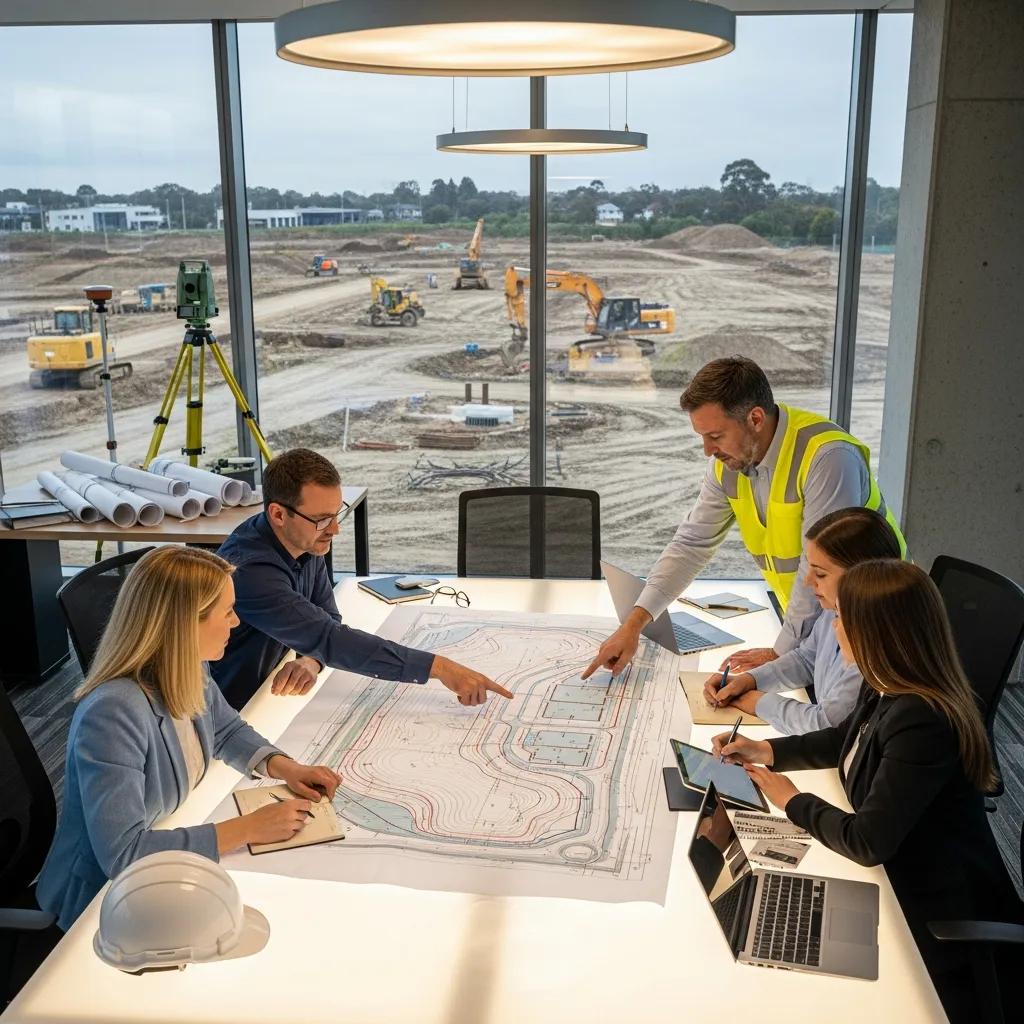
Engineers and architects collaborating on site plans during the planning phase of commercial site development, with construction machinery visible outside the window.

The planning phase is a critical step in commercial site development, as it lays the groundwork for the entire project. This phase involves several key processes, including site evaluation, boundary and topographic surveys, and feasibility studies. A thorough planning process ensures that potential challenges are identified early, allowing for informed decision-making throughout the project.

Site Evaluation

Site evaluation is the first step in the planning phase, where various factors are assessed to determine the suitability of a location for development. This process includes analyzing soil composition, drainage patterns, and existing infrastructure. Understanding site conditions is crucial, as it impacts the overall success of the project. Techniques such as soil testing and environmental assessments are commonly employed to gather necessary data.

Boundary and Topographic Surveys

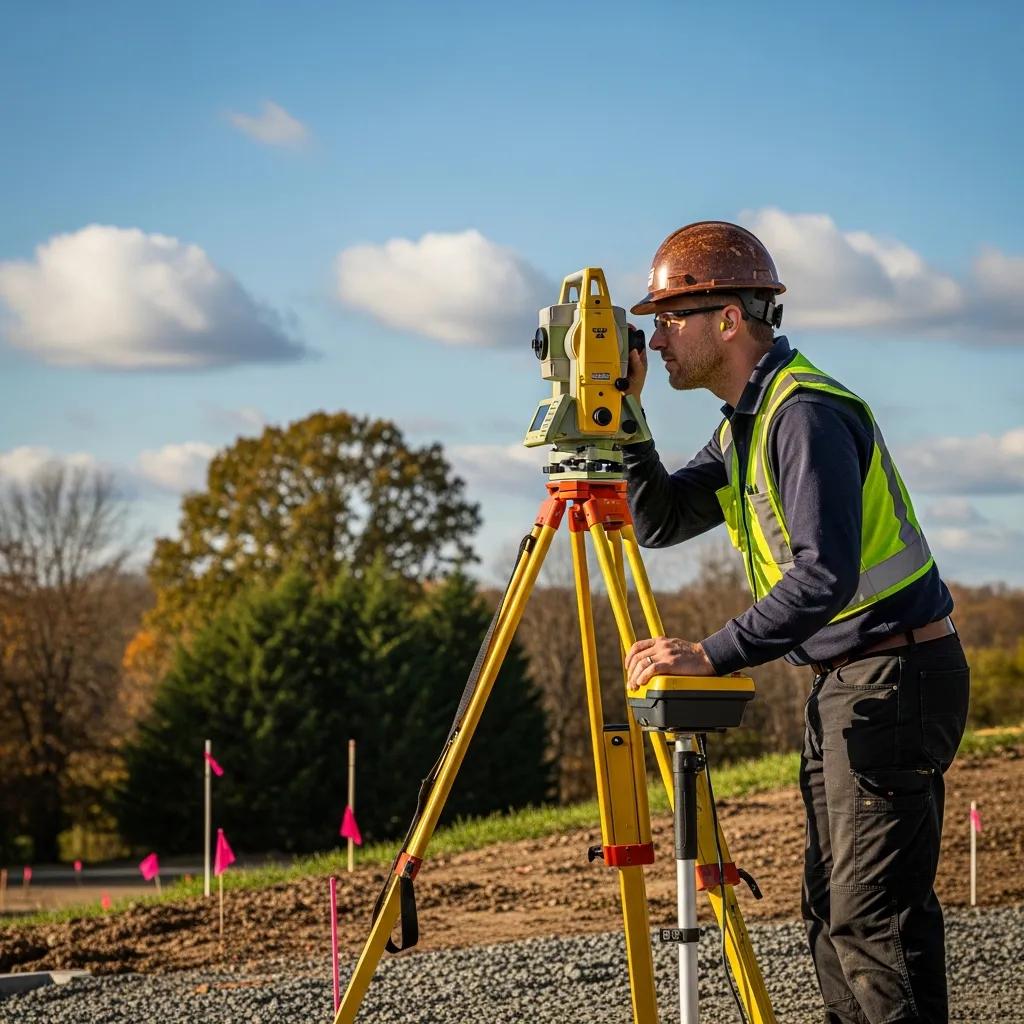
Boundary and topographic surveys play a vital role in the planning phase, providing essential information about the land’s dimensions and features. These surveys help define property lines, identify existing structures, and assess natural features such as slopes and vegetation. Accurate surveys are crucial for informing design decisions and ensuring compliance with zoning regulations. Legal implications also arise from boundary surveys, making them a necessary component of the planning process.

3. Design Considerations

Design considerations are fundamental to the success of commercial site development. This phase involves creating site plans that incorporate various elements, including architecture, infrastructure, and compliance with local regulations. Effective design not only enhances functionality but also ensures that the project aligns with community standards and environmental considerations.

Site Plan Architecture

Site plan architecture encompasses the layout and design of the development, including critical dimensions, utilities, access roads, and landscaping. A well-designed site plan integrates existing structures and natural features, creating a cohesive environment that meets the needs of businesses and the community. Key considerations include traffic flow, accessibility, and aesthetic appeal, all of which contribute to the overall success of the project.

Infrastructure Design

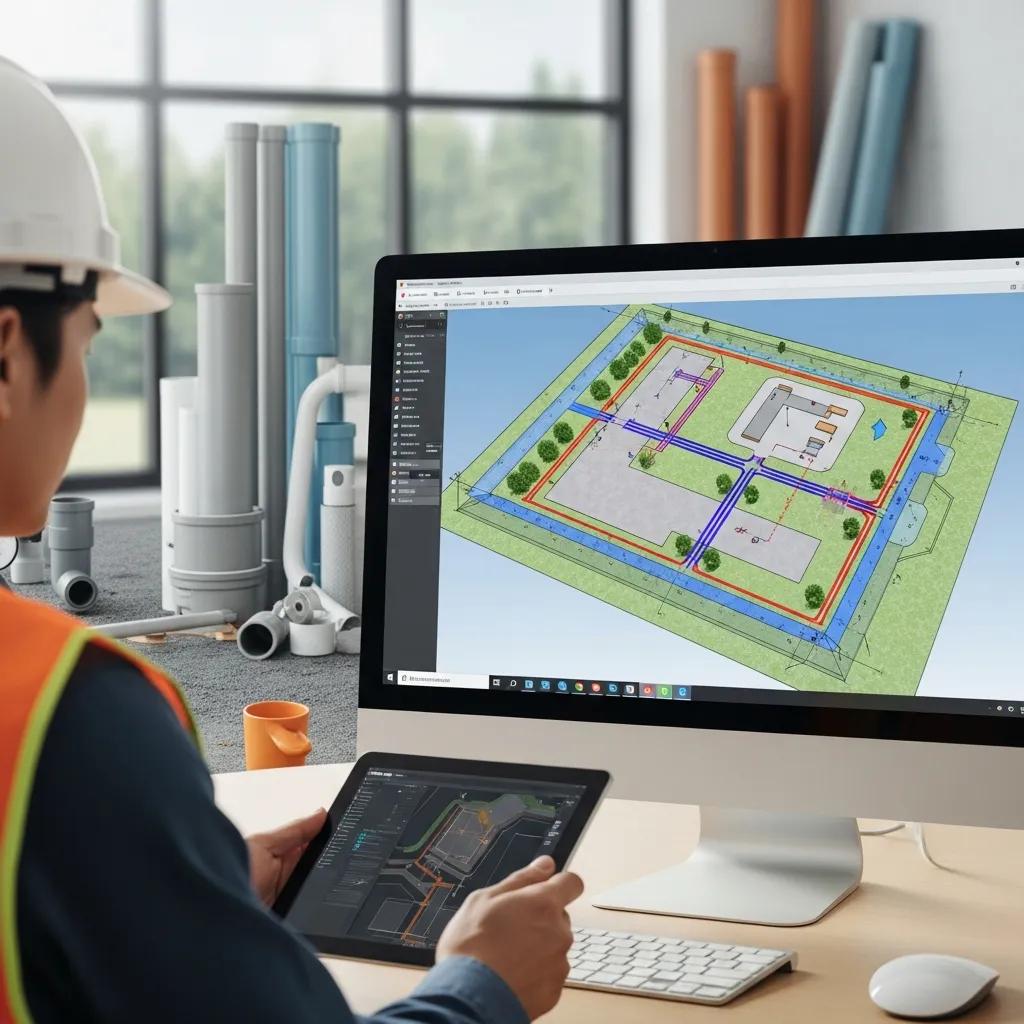
Engineer reviewing digital infrastructure design for commercial site development on computer, with site plan elements like roads, utilities, and landscaping visible.

Infrastructure design is another crucial aspect of commercial site development, focusing on the systems that support the functionality of the site. This includes stormwater management, drainage systems, and utility coordination. Effective stormwater management solutions are essential for preventing flooding and ensuring environmental compliance. Designers must consider sediment control measures and the integration of sustainable practices to minimize the project’s ecological impact.

4. Compliance and Regulations

Compliance with local regulations is a critical component of commercial site development engineering. Understanding zoning laws, permitting processes, and environmental impact assessments is essential for ensuring that projects meet legal requirements. Failure to comply with these regulations can result in delays, fines, or even project cancellation.

5. Execution Phase

The execution phase involves the actual construction and implementation of the site development plan. This phase requires careful coordination among various stakeholders, including contractors, engineers, and regulatory agencies. Effective communication and project management are essential for ensuring that the project stays on schedule and within budget.

Ludlow Engineering, a civil engineering and land surveying firm specializing in site development and infrastructure design, plays a vital role in the execution phase. Their expertise in commercial site development engineering ensures that projects are completed efficiently and in compliance with local regulations.

6. Conclusion

In conclusion, commercial site development engineering in Central Utah involves a comprehensive process that includes planning, design, compliance, and execution. Understanding these phases is essential for stakeholders involved in commercial development projects. By engaging experienced professionals like Ludlow Engineering, businesses can navigate the complexities of site development and ensure successful project outcomes.

What is Commercial Site Development Engineering in Central Utah?

Commercial site development engineering is the process of transforming land into functional commercial spaces through careful planning, design, and execution. This field encompasses various activities, including site evaluation, infrastructure design, and compliance with local regulations. The importance of commercial site development engineering lies in its ability to create spaces that meet the needs of businesses while adhering to community standards and environmental considerations.

How Local Utah Regulations Shape Site Development

Local regulations play a significant role in shaping commercial site development in Utah. Zoning laws dictate land use, building codes establish safety standards, and environmental regulations ensure that projects minimize their ecological impact. Understanding these regulations is crucial for developers, as compliance is necessary for obtaining permits and ensuring project success.

How to Conduct Effective Commercial Site Planning and Feasibility Studies in Utah?

Conducting effective commercial site planning and feasibility studies involves several key steps:

  1. Comprehensive Site Evaluation: Assess the physical characteristics of the land, including soil composition and drainage patterns.
  2. Zoning Analysis: Review local zoning laws to determine permissible land uses and any restrictions that may apply.
  3. Feasibility Studies: Analyze the economic viability of the project, considering factors such as market demand and potential return on investment.

These steps are essential for ensuring that the project is well-planned and positioned for success.

Key Steps in Commercial Site Planning

The key steps in commercial site planning include:

  1. Site Evaluation: Assessing the land’s physical characteristics and suitability for development.
  2. Feasibility Studies: Analyzing the economic viability of the project.
  3. Zoning Analysis: Reviewing local regulations to ensure compliance.

These steps provide a framework for effective site planning and help identify potential challenges early in the process.

Assessing Site Feasibility for Utah Commercial Land Development

Assessing site feasibility for commercial land development in Utah involves evaluating several criteria:

  • Soil Composition Analysis: Understanding the soil’s characteristics is crucial for determining its suitability for construction.
  • Drainage Evaluation: Analyzing drainage patterns helps prevent flooding and ensures effective stormwater management.
  • Zoning Regulations Review: Reviewing local zoning laws ensures that the proposed development aligns with community standards.

These criteria are essential for making informed decisions during the planning phase.

What Are Best Practices for Grading and Drainage Design in Commercial Site Development?

Best practices for grading and drainage design in commercial site development include:

  1. Understanding Slopes: Properly grading the site to manage water flow and prevent erosion.
  2. Cut-Fill Analysis: Evaluating the amount of earth to be moved to achieve the desired site elevation.
  3. Stormwater Management Integration: Incorporating effective stormwater management solutions to minimize environmental impact.

These practices are essential for ensuring that the site is prepared for construction and compliant with local regulations.

Designing Utah Commercial Grading Plans

Designing effective grading plans involves several key considerations:

  • Slope Management: Ensuring that slopes are designed to facilitate proper drainage and prevent erosion.
  • Retaining Wall Considerations: Evaluating the need for retaining walls to manage elevation changes and support structures.
  • Regulatory Compliance: Ensuring that grading plans adhere to local regulations and standards.

These considerations are crucial for creating effective grading plans that support successful site development.

Implementing Effective Stormwater Management Solutions

Implementing effective stormwater management solutions involves:

  • Site Evaluation for Drainage: Assessing the site to identify potential drainage issues and develop appropriate solutions.
  • Retention and Detention Systems: Designing systems to manage stormwater runoff and prevent flooding.
  • Erosion Control Measures: Implementing measures to prevent soil erosion during and after construction.

These solutions are essential for minimizing the environmental impact of commercial site development.

Further research highlights the evolving approaches to managing stormwater, emphasizing sustainable and visible methods.

Sustainable Stormwater Management & Green Infrastructure in Utah

Humans are increasingly urbanizing landscapes, lowering the land’s ability to infiltrate stormwater, increasing surface water runoff. This, combined with decreasing water availability in the Intermountain West, produces the issue of sustainable stormwater management. Professionals are moving toward green stormwater infrastructure (GSI), but public is often not aware of stormwater’s impacts on natural environments or what the purpose of GSI is. Stormwater management design techniques are evolving to use visible, sustainable methods celebrating stormwater, rather than treating the valuable resource as a disposable nuisance, channeling it underground and out of sight. Artful Rainwater Design (ARD), a technique coined by Stuart Echols and Eliza Pennypacker, defines GSI as a community amenity which allows water to infiltrate where it falls and highlights stormwater as a resource. ARD aims to educate the public on the processes of stormwater management and impacts stormwater h

A case for educational communication on sustainable stormwater management sites using interpretive methods: Applications for Utah State University, 2023

How Does Land Surveying Support Commercial Site Development Engineering?

Land surveying plays a vital role in commercial site development engineering by providing essential data for planning and design. Accurate surveys help define property boundaries, assess topography, and identify existing features that may impact development.

Role of Boundary Analysis in Utah Commercial Projects

Boundary analysis is crucial for determining property lines and ensuring compliance with local regulations. Accurate boundary determination helps prevent disputes and informs project planning, making it an essential component of the surveying process.

Integrating Land Surveying with Site Design and Permitting

Integrating land surveying with site design and permitting involves collaboration between surveyors and engineers. This collaboration ensures that all aspects of the project are considered, leading to more efficient design and permitting processes.

What Permits and Regulatory Compliance Are Required for Commercial Site Development in Central Utah?

Obtaining the necessary permits and ensuring regulatory compliance are critical steps in commercial site development. Understanding local zoning laws, permit application processes, and environmental compliance requirements is essential for successful project execution.

Navigating Local Permits and Zoning Requirements

Navigating local permits and zoning requirements involves:

  1. Familiarity with Zoning Regulations: Understanding the local zoning laws that govern land use and development.
  2. Engaging Licensed Professionals: Working with licensed professionals to ensure compliance with local regulations.
  3. Preparing Required Documentation: Compiling the necessary documentation for permit applications.

These steps are essential for ensuring that the project complies with local regulations and is positioned for success.

Ensuring Environmental Compliance and Stormwater Regulations

Ensuring environmental compliance involves understanding local regulations related to stormwater management and environmental impact. Developers must implement measures to minimize their ecological footprint and comply with local standards.

How to Design Infrastructure and Utility Systems for Commercial Construction Sites in Utah?

Designing infrastructure and utility systems is a critical aspect of commercial site development. This process involves planning for utilities, transportation, and other essential services that support the functionality of the site.

Planning Utility Coordination and Infrastructure Design

Planning utility coordination involves:

  • Identifying Existing Utilities: Assessing the location of existing utilities to avoid conflicts during construction.
  • Designing for Accessibility: Ensuring that utility systems are designed for easy access and maintenance.
  • Environmental Impact Considerations: Evaluating the potential environmental impact of utility systems and implementing measures to mitigate it.

These considerations are essential for creating effective infrastructure designs that support commercial development.

Incorporating Sustainable Engineering Practices in Site Development

Incorporating sustainable engineering practices involves:

  • Preserving Natural Terrain: Designing sites to minimize disruption to the natural landscape.
  • Drought-Tolerant Landscaping: Implementing landscaping practices that reduce water consumption and promote sustainability.
  • Community Engagement: Involving the community in the planning process to ensure that developments meet local needs and standards.

These practices are essential for creating environmentally responsible commercial developments that benefit both businesses and the community.

For more information about site development, contact Ludlow Engineers today.