

Water and Sewer System Design for Utah Properties: Engineering Requirements and Compliance
Designing water and sewer systems for properties in Utah involves navigating a complex landscape of engineering requirements and regulatory compliance. This article provides a comprehensive overview of the standards and practices that govern water and sewer system design in the state. Readers will learn about the specific regulations set by the Utah Department of Environmental Quality (DEQ), the best practices for sewer system engineering, and the consulting services available for utility infrastructure design. Understanding these elements is crucial for property developers and homeowners alike, as they ensure that systems are not only functional but also compliant with state and local regulations. The article will also touch on stormwater management and the maintenance requirements necessary to keep these systems operational and up to date with evolving standards.
What Are Utah’s Water System Design Standards?
Utah’s water system design standards are established to ensure safe and efficient water distribution across the state. These standards are influenced by regulations from the Utah DEQ and local municipal codes, which dictate the necessary infrastructure and operational requirements for water systems. Compliance with these standards is essential for protecting public health and the environment while ensuring that water systems can adequately serve the needs of the community.
Understanding the historical context of water legislation further illuminates the state’s commitment to robust water management.
Utah Water Legislation & Supply Management
Utah’s population growth and water sources. Prior to this bill, Utah did not have legislation to measure secondary water
Utah, 2019
Key Utah DEQ Regulations for Water Systems

The Utah DEQ has set forth several key regulations that govern water system design. These include requirements for water quality, system capacity, and infrastructure materials. Compliance with these regulations ensures that water systems are safe for public use and can withstand environmental challenges. Key regulations include:
- Water Quality Standards: Ensuring that all water supplied meets health and safety standards.
- Capacity Requirements: Systems must be designed to handle peak demand periods without compromising service.
- Material Specifications: Guidelines on the types of materials that can be used in construction to ensure durability and safety.
Municipal Codes Impacting Water Infrastructure Design
Local municipal codes also play a significant role in shaping water infrastructure design. These codes may include specific requirements for system layout, connection standards, and maintenance protocols. Understanding these codes is crucial for engineers and developers to avoid compliance issues and ensure that projects meet local expectations. Examples of municipal code considerations include:
- Zoning Regulations: Dictating where water infrastructure can be placed.
- Connection Fees: Costs associated with connecting to municipal water systems.
- Maintenance Standards: Requirements for regular inspections and upkeep of water systems.
How Is Sewer System Engineering Conducted in Utah?
Sewer system engineering in Utah involves a systematic approach to designing and implementing effective wastewater management systems. This process is critical for protecting public health and the environment by ensuring that wastewater is properly treated and disposed of.
Sewer Line Installation and Engineering Best Practices
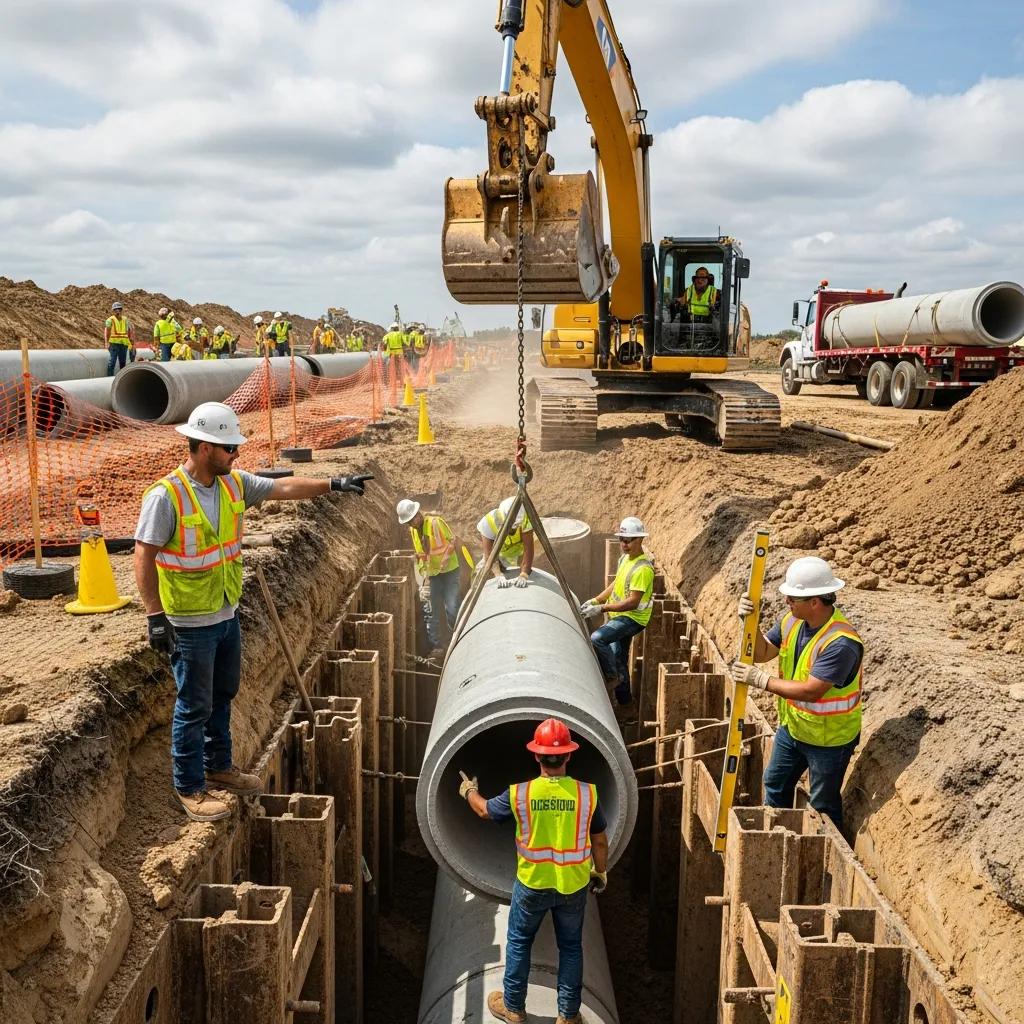
Best practices for sewer line installation include careful planning and adherence to engineering standards. Key considerations during installation involve:
- Proper Slope: Ensuring that sewer lines are installed at the correct slope to facilitate gravity flow.
- Material Selection: Using durable materials that can withstand the corrosive nature of wastewater.
- Regular Inspections: Conducting inspections during and after installation to ensure compliance with engineering standards.
Obtaining Permits for Sewer Systems in Utah
The permitting process for sewer systems in Utah requires careful documentation and adherence to regulatory guidelines. Key steps in obtaining permits include:
- Application Submission: Providing detailed plans and specifications to the local authority.
- Environmental Review: Undergoing assessments to evaluate potential environmental impacts.
- Approval and Inspections: Securing necessary approvals and scheduling inspections throughout the construction process.
What Utility Engineering Consulting Services Are Available in Utah?
Utility engineering consulting services are essential for ensuring that water and sewer systems are designed and implemented effectively. These services provide expertise in navigating regulatory requirements and optimizing system performance.
Residential and Commercial Utility Infrastructure Design
Consulting firms offer specialized services for both residential and commercial utility infrastructure design. Key differences in approach include:
- Residential Design: Focuses on smaller-scale systems that meet the needs of individual homes or small developments.
- Commercial Design: Involves larger systems that must accommodate higher volumes of wastewater and water supply.
Hydraulic Modeling and Pipe Sizing Techniques
Hydraulic modeling is a critical component of utility engineering, allowing engineers to simulate water flow and pressure within systems. Effective pipe sizing techniques ensure that systems can handle expected loads without failure. Key aspects include:
- Modeling Software: Utilizing advanced software to predict system behavior under various conditions.
- Sizing Calculations: Ensuring that pipe diameters are adequate for peak flow scenarios to prevent backups and overflows.
How Does Stormwater Management Affect Utah Property Designs?
Stormwater management is a vital consideration in property design, particularly in areas prone to flooding or heavy rainfall. Effective stormwater management strategies help mitigate runoff and protect water quality.
- Regulatory Considerations: Compliance with local and state regulations regarding stormwater management is essential.
- Design Strategies: Implementing features such as retention basins and permeable pavements can significantly reduce runoff.
- Environmental Impacts: Proper management helps protect local ecosystems and water bodies from pollution.
What Are the Maintenance and Upgrade Requirements for Water and Sewer Systems?
Regular maintenance and timely upgrades are crucial for the longevity and efficiency of water and sewer systems. These practices ensure that systems continue to meet regulatory standards and serve the community effectively.
Routine Maintenance Best Practices for Utah Properties
Routine maintenance involves regular inspections and repairs to prevent system failures. Best practices include:
- Scheduled Inspections: Conducting regular checks on system components to identify potential issues early.
- Documentation: Keeping detailed records of maintenance activities to ensure compliance with regulations.
- Emergency Preparedness: Developing plans for addressing unexpected failures or emergencies.
Upgrading Infrastructure to Meet 2026 Regulatory Updates
As regulations evolve, upgrading existing infrastructure becomes necessary to maintain compliance. Key steps in the upgrade process include:
- Assessment of Current Systems: Evaluating existing infrastructure to identify areas needing improvement.
- Implementation of New Technologies: Incorporating advanced technologies that enhance system efficiency and compliance.
- Community Engagement: Involving stakeholders in the planning process to address concerns and gather input.
This table illustrates the various utility engineering consulting services available in Utah, highlighting their unique benefits for different types of projects.
For expert assistance with your next project, consider reaching out to Ludlow Engineers. Their team can provide comprehensive support for all your engineering needs.
In summary, understanding the engineering requirements for water and sewer system design in Utah is essential for compliance and effective infrastructure management. By adhering to state regulations and best practices, property developers and homeowners can ensure that their systems are safe, efficient, and sustainable.