
Condominium Plat Guide: Understanding, Costs, and Approval Process
Navigating the complexities of condominium plats is essential for property developers and homeowners alike. A condominium plat serves as a legal document that outlines the boundaries and layout of a condominium project, ensuring clarity in ownership and property rights. This guide will delve into the definition, importance, and approval process of condominium plats, providing valuable insights for those involved in real estate development. Understanding the intricacies of condominium plats can help avoid common pitfalls and streamline the approval process, ultimately leading to successful property development. We will explore the steps to prepare and approve a condominium plat, the requirements and legal considerations involved, and the costs associated with condominium surveys.
What is a Condominium Plat and Why is it Important?
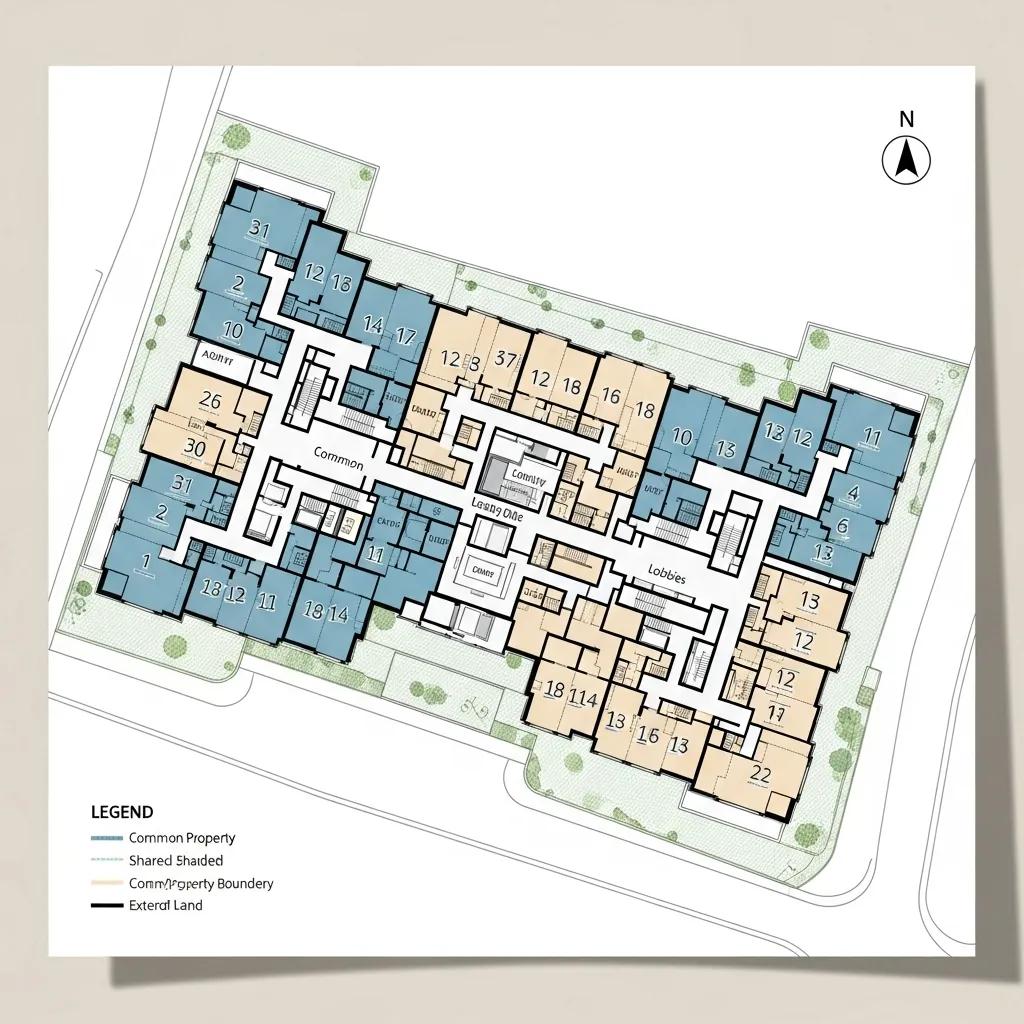
A condominium plat is a detailed map that illustrates the layout of a condominium project, including individual units, common areas, and property boundaries. This document is crucial for defining ownership rights and responsibilities among unit owners and is often required by municipal authorities for legal approval. The significance of a condominium plat extends beyond mere documentation; it serves as a foundational element in property law, ensuring that all parties involved have a clear understanding of their rights and obligations.
Defining Condominium Plats and Their Legal Role
Legally, a condominium plat is a formal representation of a condominium project that must comply with local zoning and land use regulations. It delineates the boundaries of each unit and common areas, providing a visual reference for property ownership. The legal role of a condominium plat is to establish clear property lines and facilitate the transfer of ownership, which is essential for both developers and buyers.
Key Entities: Boundary Surveys, Plat Maps, and Property Boundaries
Several key entities are involved in the creation and approval of condominium plats. Boundary surveys are conducted to accurately determine property lines, while plat maps visually represent these boundaries. Understanding the relationship between these elements is vital for ensuring compliance with local regulations and for the successful development of condominium projects. For more information on land surveying and related services, consider visiting Ludlow Engineers.
How to Prepare and Approve a Condominium Plat: Step-by-Step Process
Preparing and obtaining approval for a condominium plat involves several critical steps. Each step must be carefully executed to ensure compliance with local regulations and to facilitate a smooth approval process.
Conducting a Boundary Survey for Condominiums

The first step in preparing a condominium plat is conducting a boundary survey. This survey accurately identifies property lines and ensures that the plat reflects the true dimensions of the property. A professional land surveyor typically performs this task, providing essential data that will be used in the plat map.
Submitting Plat Maps to Municipal Authorities for Approval
Once the boundary survey is complete, the next step is to submit the plat map to municipal authorities for approval. This process often involves reviewing local zoning laws and ensuring that the proposed development complies with all regulations. It is crucial to prepare the submission meticulously to avoid delays or rejections.
What are the Plat Map Requirements and Legal Considerations?
Understanding the requirements and legal considerations for plat maps is essential for successful condominium development. These elements ensure that the plat meets all necessary standards for approval.
Essential Elements of Plat Maps for Condominium Subdivision
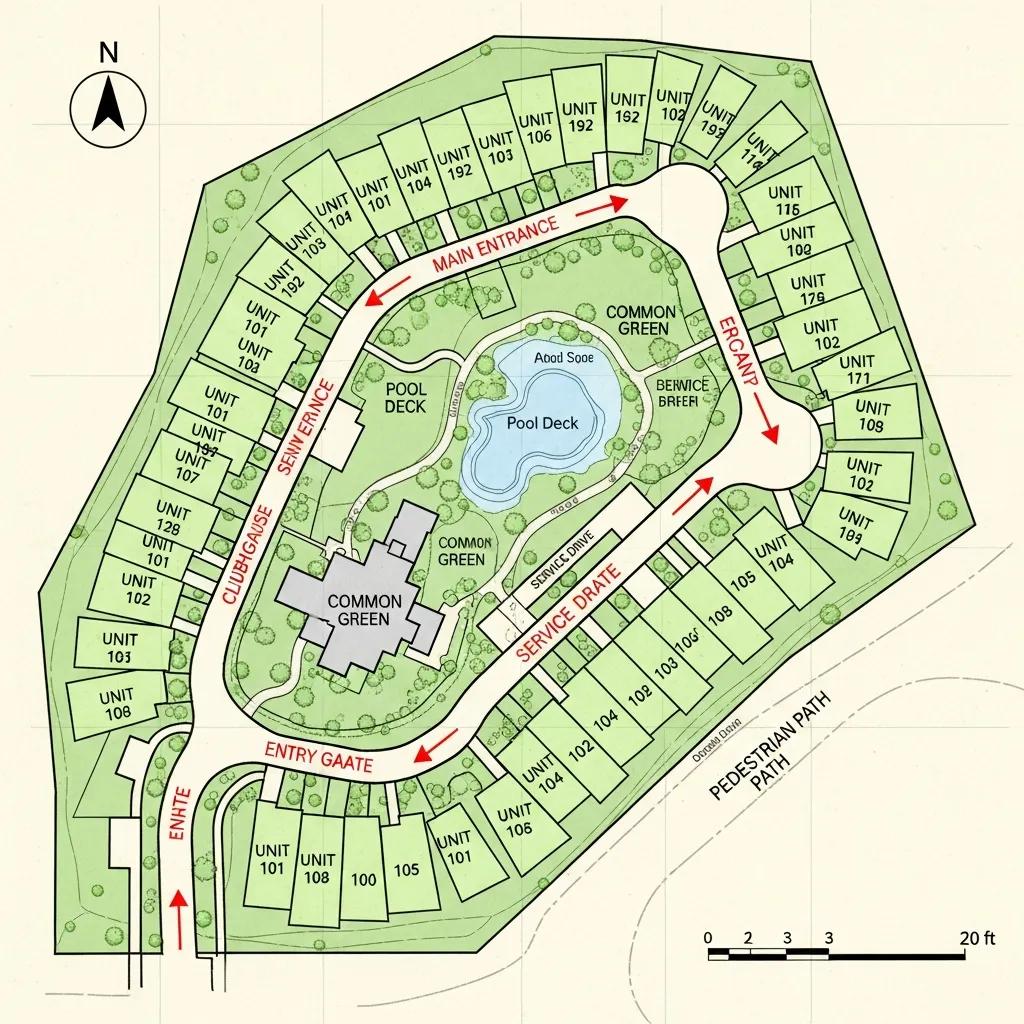
Plat maps must include several essential elements, such as the layout of individual units, common areas, and access points. Additionally, the map should clearly indicate property boundaries and any easements or restrictions that may apply. Compliance with these requirements is critical for obtaining approval from municipal authorities.
Understanding Regulatory Compliance and Recent Municipal Guidelines
Regulatory compliance is a significant aspect of the plat approval process. Recent changes in municipal guidelines may affect the requirements for plat maps, making it essential for developers to stay informed about current regulations. Understanding these guidelines can help streamline the approval process and avoid potential legal issues.
How Much Does a Condo Survey Cost? Factors Affecting Pricing
The cost of a condominium survey can vary significantly based on several factors, including the size of the property, the complexity of the survey, and the location. Understanding these factors can help developers budget effectively for their projects.
Cost Breakdown of Land Survey for Condos
The cost of a land survey for condominiums typically includes fees for the surveyor’s services, equipment, and any necessary permits. On average, land surveys can range from $400 to $2,000, depending on the project’s specifics. It is essential to obtain quotes from multiple surveyors to ensure competitive pricing.
Comparing Pricing: Boundary Survey vs. Plat Map Preparation
When budgeting for condominium development, it is crucial to compare the costs of boundary surveys and plat map preparation. While boundary surveys focus on determining property lines, plat map preparation involves creating a detailed representation of the property layout. Understanding the differences in pricing can help developers allocate their resources more effectively.
Who Prepares a Condominium Plat and How to Choose a Surveyor?
Selecting the right surveyor is a critical step in the land surveys preparation process. The qualifications and experience of the surveyor can significantly impact the quality of the final product.
Surveyor Credentials and Their Role in Plat Preparation
Surveyors play a vital role in the preparation of condominium plats, and their credentials are essential for ensuring quality work. A qualified surveyor should possess relevant certifications and experience in land surveying, particularly in condominium projects. This expertise is crucial for accurately representing property boundaries and complying with local regulations.
Selecting Qualified Land Surveyors for Condominium Projects
When choosing a land surveyor for condominium projects, developers should consider several factors, including experience, reputation, and cost. It is advisable to seek recommendations and review past work to ensure that the selected surveyor can meet the project’s specific needs. For assistance in selecting qualified surveyors, Ludlow Engineers offers resources and expertise.
Frequently Asked Questions
What are the common mistakes to avoid when preparing a condominium plat?
Common mistakes in preparing a condominium plat include failing to accurately represent property boundaries, neglecting to include all required elements such as easements and access points, and not adhering to local zoning regulations. Additionally, incomplete documentation can lead to delays in the approval process. To avoid these pitfalls, it is crucial to work closely with a qualified surveyor and thoroughly review all local requirements before submission.
How long does the condominium plat approval process typically take?
The duration of the condominium plat approval process can vary widely depending on local regulations, the complexity of the project, and the efficiency of the municipal authorities involved. Generally, the process can take anywhere from a few weeks to several months. Developers should factor in time for potential revisions and resubmissions, as well as any public hearings that may be required, to ensure a realistic timeline for their projects.
What role do homeowners associations (HOAs) play in condominium developments?
Homeowners associations (HOAs) play a significant role in condominium developments by managing common areas, enforcing community rules, and maintaining property values. They are typically established once the condominium project is completed and can influence decisions regarding maintenance, assessments, and community guidelines. Understanding the HOA’s role is essential for both developers and future residents, as it impacts the overall living experience within the condominium community.
Are there specific zoning laws that affect condominium developments?
Yes, zoning laws significantly impact condominium developments. These laws dictate land use, density, building height, and the types of structures allowed in a given area. Developers must ensure that their condominium projects comply with local zoning regulations to avoid legal issues and ensure a smooth approval process. It is advisable to consult with local planning authorities early in the development process to understand applicable zoning requirements.
What are the implications of not obtaining proper plat approval?
Failing to obtain proper plat approval can lead to serious legal and financial consequences for developers. Without approval, the condominium project may be deemed illegal, resulting in fines, forced removal of structures, or inability to sell units. Additionally, unresolved property boundary disputes can arise, complicating ownership rights. Therefore, securing plat approval is crucial for protecting investments and ensuring compliance with local laws.
How can developers stay updated on changes in municipal guidelines?
Developers can stay updated on changes in municipal guidelines by regularly attending local planning meetings, subscribing to newsletters from municipal authorities, and engaging with industry associations. Networking with other developers and professionals in the real estate sector can also provide valuable insights into regulatory changes. Additionally, consulting with legal experts or land surveyors who specialize in local regulations can help ensure compliance with the latest guidelines.
What is the Condo Subdivision Process?
The condo subdivision process involves several key steps, including conducting a boundary survey, preparing a plat map, and obtaining approval from municipal authorities. Each step is essential for ensuring that the condominium project complies with local regulations and meets the needs of future residents.
How to Ensure Plat Approval and Avoid Common Issues
To ensure plat approval, developers should be proactive in understanding local regulations and preparing thorough submissions. Common issues that can lead to delays or rejections include incomplete documentation, failure to comply with zoning laws, and inadequate representation of property boundaries. By addressing these concerns early in the process, developers can increase their chances of successful approval.
Conclusion
Understanding the condominium plat process is vital for successful property development, as it clarifies ownership rights and ensures compliance with local regulations. By following the outlined steps and working with qualified professionals, developers can streamline the approval process and avoid common pitfalls. Staying informed about municipal guidelines and engaging with experienced surveyors will enhance the likelihood of a smooth project execution. For further insights and resources, explore our comprehensive guides on real estate development today.