HUD Engineering Report
A common industry phrase for an engineer's site-specific manufactured-home foundation report addressing HUD permanent-foundation requirements.

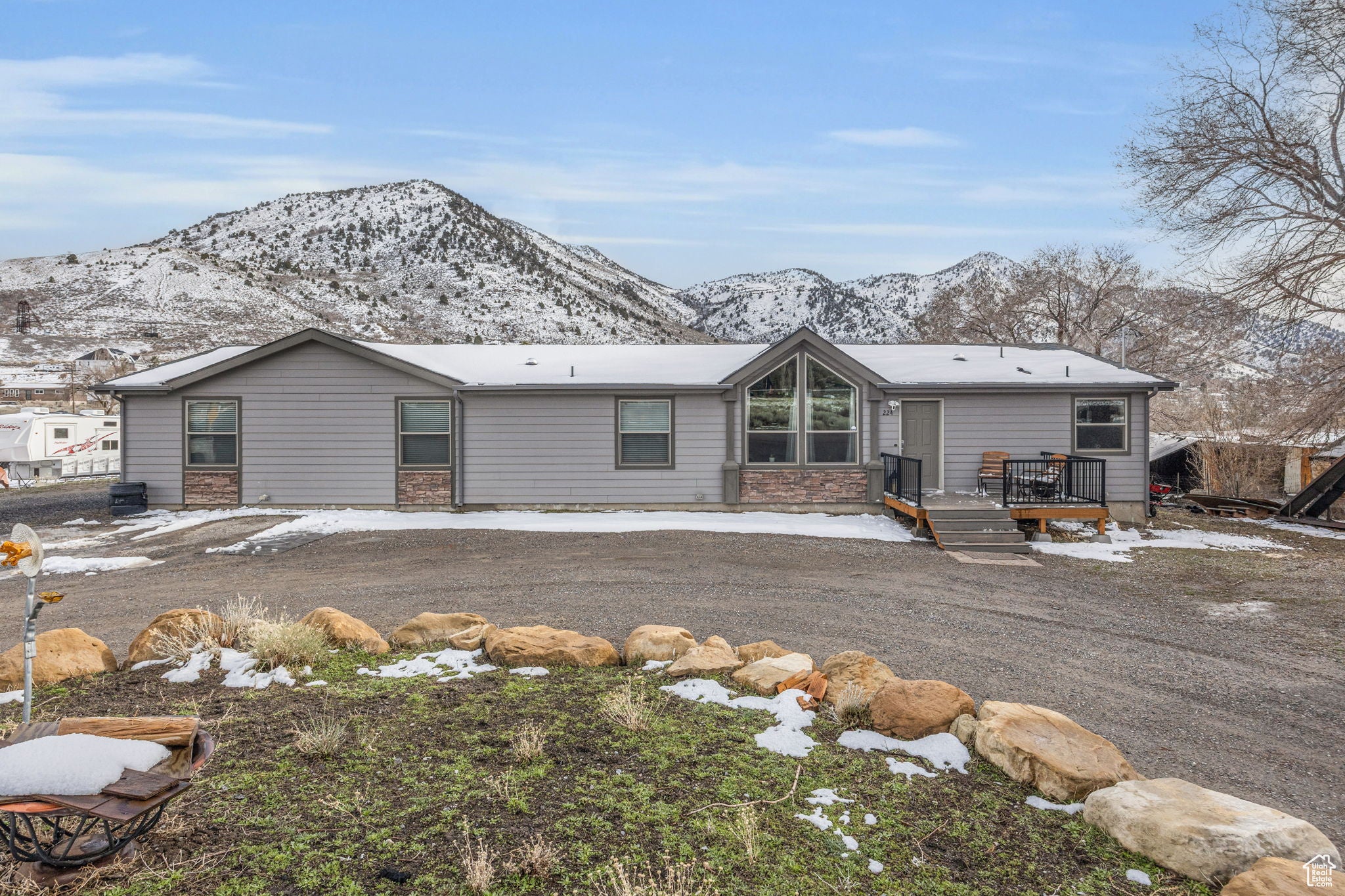
Site-specific manufactured-home foundation inspections and engineer-stamped reports for FHA financing, lender conditions, refinances and other transactions throughout Utah.
It is a focused engineering review of a manufactured home's permanent foundation, supports, anchorage and related site conditions. For an FHA transaction, the lender must obtain certification from an engineer or architect licensed in the state where the home is located that the foundation complies with HUD's Permanent Foundations Guide for Manufactured Housing. Ludlow performs the site inspection and prepares the site-specific engineer-stamped report for the loan file.
Mortgage companies, loan officers, appraisers and underwriters do not always use the same terminology. The lender's exact written condition determines what Ludlow should certify.
A common industry phrase for an engineer's site-specific manufactured-home foundation report addressing HUD permanent-foundation requirements.
Often shorthand for the signed and sealed letter or report the lender needs to clear its manufactured-home foundation condition.
Borrowers frequently use this phrase when the lender actually needs a Professional Engineer to inspect and certify the permanent foundation.
HUD's Permanent Foundations Guide for Manufactured Housing, Handbook 4930.3G, is the technical reference used for FHA foundation compliance.
Some lenders and industry providers use “HUD 7584” as shorthand when requesting a manufactured-home foundation certification. Send Ludlow the actual lender wording rather than relying only on the shorthand.
Modular homes are not HUD-code manufactured homes, but lenders can still request a site-specific structural or foundation engineer letter. Ludlow scopes those separately.

Safe access is critical. The inspection typically requires observation beneath the home so support piers, steel framing, anchorage and other visible foundation conditions can be documented. Locked skirting, standing water, unsafe wiring, animals or blocked access can prevent completion of the site inspection.
Do not assume that every mortgage program uses identical wording. Forward the exact underwriter condition before Ludlow finalizes the report scope.
FHA policy requires a licensed engineer or architect to certify the manufactured home's foundation compliance with HUD's PFGMH.
VA lenders may request a manufactured-home foundation engineering report. Send the actual lender condition so the certification addresses the requested scope.
Manufactured homes in rural Utah frequently generate foundation engineering requests during USDA financing. Location and travel can affect scheduling and fee.
Conventional lenders can also require a PE foundation letter or structural report, particularly when permanent-foundation documentation is unavailable.
A refinance may generate a new lender condition. If a prior FHA certification exists, send it with the lender request because HUD policy allows prior certification in certain circumstances.
The report often becomes a closing item after the appraisal or underwriting review. Ordering early leaves time to correct a foundation deficiency if one is identified.
The exact scope follows the lender condition and the property, but these are the core visible foundation and support conditions documented on a typical manufactured-home assignment.
| Inspection Area | What Ludlow Documents | Why It Matters |
|---|---|---|
| Footings & piers | Visible foundation supports, pier configuration, footing conditions and support locations. | Documents the system carrying the manufactured home's vertical loads. |
| Steel chassis & beams | Visible frame support, beam relationships and general load path. | Connects the manufactured structure to the supporting foundation system. |
| Anchorage & tie-downs | Visible anchors, straps, connections and restraint conditions. | Addresses resistance to lateral, uplift and movement forces. |
| Foundation materials | Visible concrete, masonry, treated wood or other foundation components. | Helps document the durability and character of the permanent system. |
| Perimeter enclosure | Visible skirting or perimeter wall conditions and access openings. | Documents enclosure, crawl-space access and visible deterioration. |
| Site drainage | Ponding, negative grade, water entry and other visible drainage concerns. | Water can affect soils, supports and long-term foundation performance. |
| Visible distress | Settlement, displacement, deterioration, altered supports or damaged components. | Identifies conditions that can prevent certification until addressed. |
| Home identification | Property address, sections and available labels or identification information. | Connects the site-specific report to the correct manufactured home. |
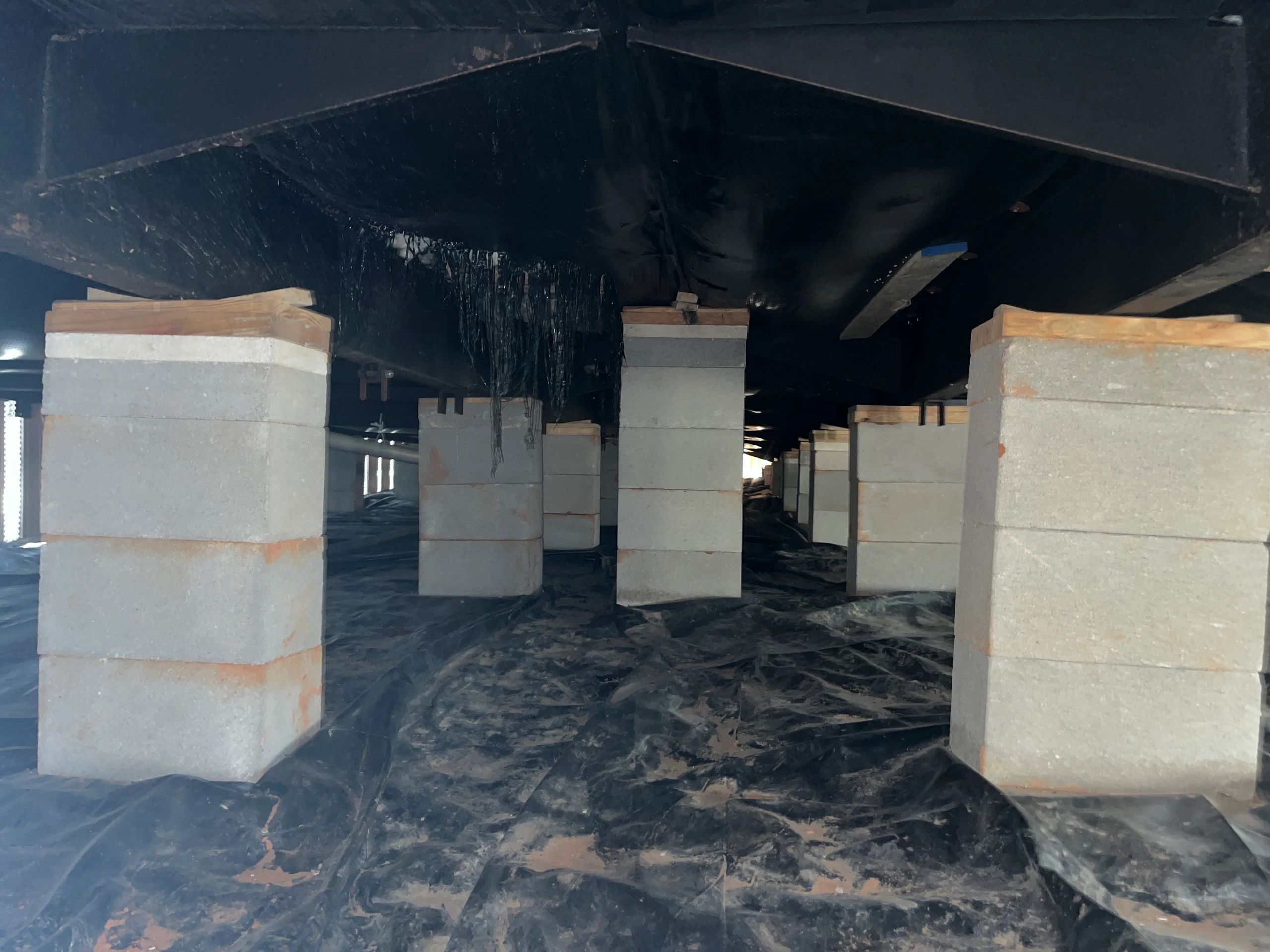
The visible support system helps the engineer understand how the manufactured home's chassis transfers loads to the foundation. Improvised, shifted or damaged supports can require correction.
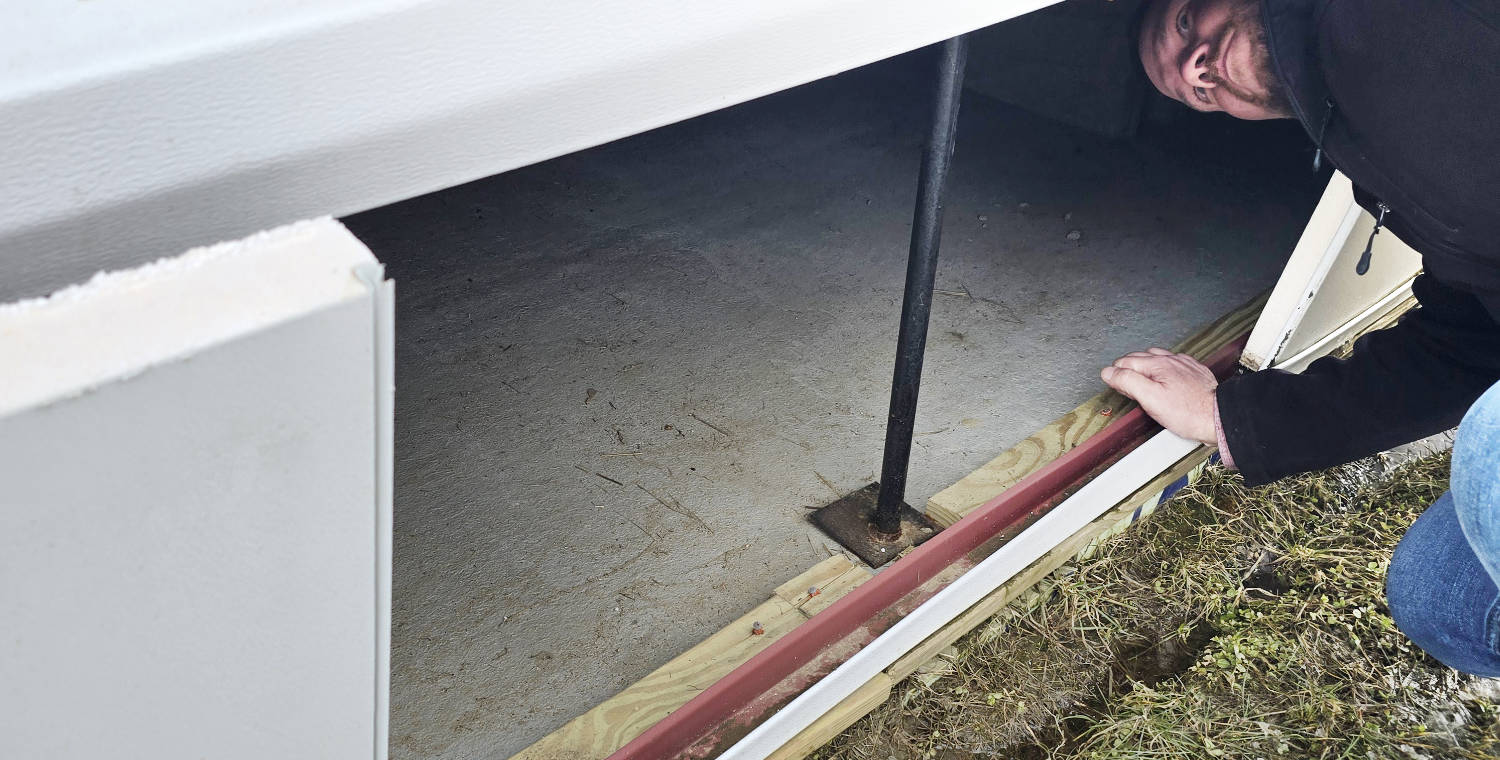
Visible straps, anchors and structural connections are part of the engineering review because the permanent foundation must resist more than vertical gravity loads.
A generic template letter is not the goal. FHA foundation certification must be tied to the specific manufactured home and professional reviewing the property.
Property address, inspection date, home sections and available identification information, plus client or lender information when supplied.
Description of the foundation and support system, visible anchorage, photographs and relevant drainage, moisture or access observations.
The applicable technical reference, site-specific findings, limitations and any correction items affecting the engineer's conclusion.
The completed report carries the responsible Professional Engineer's signature and Utah professional seal and license information.

A general home inspection and an engineering foundation certification serve different purposes. A home inspector evaluates the broader condition of the property. FHA foundation compliance requires professional engineering or architectural certification of the permanent foundation.
These homes can look similar after installation, but the regulatory framework is different. That changes what the engineer should certify.
| Manufactured Home | Modular Home | |
|---|---|---|
| Construction system | Built under the federal HUD manufactured-housing construction standards. | Typically built under applicable state and local building codes. |
| FHA foundation reference | HUD Permanent Foundations Guide for Manufactured Housing may apply to FHA financing. | PFGMH is not automatically the governing basis simply because the lender wants an engineer letter. |
| Lender wording | Often “FHA foundation certification,” “HUD engineering report” or “manufactured-home engineer report.” | Often “structural engineer letter,” “foundation inspection” or another project-specific condition. |
| Ludlow approach | Inspect and report to the applicable manufactured-home foundation requirement. | Review the lender's exact request and scope the modular-home assignment appropriately. |
Send the previous report to your lender before assuming a new inspection is required. Current FHA policy allows a mortgagee to use a foundation certification from a previous FHA-insured mortgage when it shows that the foundation met the applicable PFGMH requirements and there have been no alterations or observable foundation damage since the original certification.
If additions or alterations have occurred, further review may be required. The lender makes the final loan-file decision.
If your lender still requires a new engineer visit, the previous certification, foundation plan or repair documentation can help the engineer understand the history of the installation.
Pricing depends on the number of home sections, foundation type, location, access and whether repairs require a second inspection. The written Ludlow proposal controls the final fee.
| Project | Typical Scope | Planning Range |
|---|---|---|
| Single-section manufactured home | Site visit, visible foundation documentation and PE-stamped report | $400–$600 |
| Multi-section / double-wide | Multiple sections, supports, connections and stamped report | $500–$750 |
| Modular-home engineer letter | Project-specific foundation or structural review requested by lender | $450–$700 |
| Reinspection after corrections | Return visit to verify completed correction work and update report | $200–$400 |
| Rural / remote travel | Additional mobilization outside normal central-Utah service area | Commonly +$100–$300 |
The fastest projects start with the lender's exact condition and clear access to the foundation.
Forward the lender condition, property address, loan type and home-section information.
Ludlow confirms the fixed fee, travel, report scope and anticipated timing.
The owner, agent or occupant makes the property and crawl-space area safely accessible.
Visible foundation, support, anchorage, drainage and home identification conditions are documented.
A Utah-licensed PE reviews the observations and prepares the site-specific engineering conclusion.
The signed and stamped PDF is delivered for the borrower, lender, title company or other designated parties.
When an observed condition prevents the engineer from providing the required conclusion, Ludlow documents the deficiency. The appropriate contractor can complete the corrective work, after which the property can be reinspected and the engineering report updated when the corrected conditions are acceptable.
These conditions do not automatically mean every home fails. They are examples of visible issues that can require additional evaluation or correction before a final engineering conclusion.
Missing, loose, damaged, corroded or improperly connected anchorage can affect the foundation's resistance to lateral or uplift forces.
Damaged, displaced or nonstandard supports can interrupt the intended load path between the manufactured home's frame and foundation.
Ponding, negative grade and persistent crawl-space moisture can affect supporting soils, foundation materials and framing.
The engineer cannot certify foundation conditions that cannot be reasonably and safely observed during the site inspection.
Porches, additions or structural modifications can affect the scope when they interact with the original manufactured home or its foundation.
Unavailable labels, data-plate information or prior engineering documents can create additional lender questions even where the visible foundation appears serviceable.
You do not need every document before requesting a quote. The property address and lender request are the two most useful items to send first.
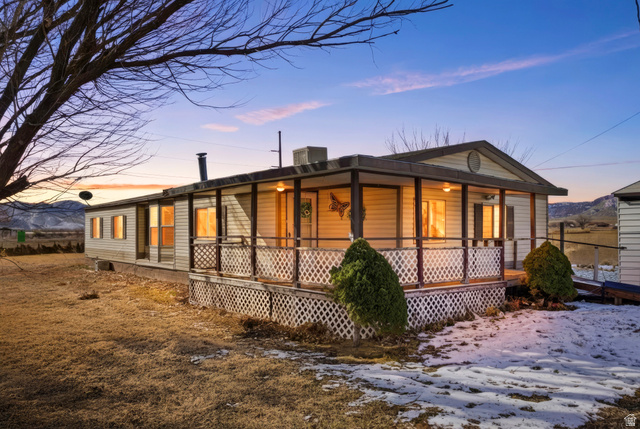
Ludlow Engineering is based in Nephi, giving the inspection team a central position for serving Utah County, Juab County, Sanpete County, Sevier County and central Utah while also traveling to the Wasatch Front, northern Utah, eastern Utah and southern Utah.
Remote properties are quoted with travel and access included in the written proposal so borrowers and lenders know the total inspection cost before scheduling.
This page owns statewide manufactured-home foundation inspection and ordering intent. Use the supporting pages below for pricing, broader engineering services and company qualifications.
Detailed pricing, report requirements and repair/reinspection cost scenarios for Utah manufactured homes.
Parent hubReview Ludlow's surveying, civil engineering, drafting and inspection services across Utah.
Expanded structural workStructural engineering for foundations, framing and residential projects that go beyond a lender foundation-certification scope.
QualificationsLearn about the firm's engineering and surveying experience and professional services.
OrderSend the property address, lender condition, home type and deadline for a fixed-fee proposal.
EngineeringSite, grading, drainage, utility and development engineering for projects requiring services beyond the lender report.
The lender controls the loan condition. HUD's current FHA policy and Permanent Foundations Guide provide the governing federal foundation framework for FHA manufactured-home transactions.
Common questions from Utah borrowers, lenders, real estate agents, title professionals and manufactured-home owners.
It is a common lender term for a site-specific engineering report addressing a manufactured home's permanent foundation. For FHA foundation compliance, HUD requires certification by a licensed professional engineer or registered architect.
“Engineer letter” is commonly used by lenders to describe the signed and sealed engineering document addressing the home's foundation or another specific structural loan condition.
In many mortgage files, this phrase refers to a foundation inspection performed for a lender and reviewed by a licensed Professional Engineer. It is not normally a complete inspection of every structural component in the house unless the scope specifically says so.
Ludlow's current planning range is $400–$600 for a single-section manufactured home and $500–$750 for a multi-section or double-wide. Location, access, foundation type and corrections affect the property-specific proposal.
Most standard Ludlow reports are delivered within about 5–10 business days after the inspection. Scheduling, travel, access problems or necessary corrections can extend the total timeline.
HUD requires the certification to be completed by a professional engineer or registered architect licensed or registered in the state where the manufactured home is located.
A general home inspector cannot substitute for the licensed engineer or architect certification required by FHA unless that person independently holds the required professional license and accepts responsibility for the certification.
Not necessarily. Current FHA policy allows a lender to use a foundation certification from a previous FHA-insured mortgage when the foundation met the applicable PFGMH requirements and there have been no alterations or observable foundation damage. The lender decides whether the previous documentation satisfies the current loan file.
The engineer documents the observed deficiencies. After the appropriate contractor performs the corrections, Ludlow can reinspect the relevant conditions and issue an updated engineering report when appropriate.
No. This is a focused foundation and structural-support engineering assignment. A general home inspection addresses the broader condition of the house and its systems.
Yes. Ludlow inspects single-section and multi-section manufactured homes. Multi-section homes generally require additional observation of supports, connections and foundation conditions and are priced accordingly.
Yes, when a lender or other party requests a site-specific structural or foundation engineering letter. Modular homes are not the same as HUD-code manufactured homes, so Ludlow reviews the exact lender condition before defining the scope.

Include the manufactured home's property address, whether it is single- or multi-section, the loan or transaction type and the date your lender needs the report. Ludlow will confirm the inspection scope, fixed fee and available site date.