
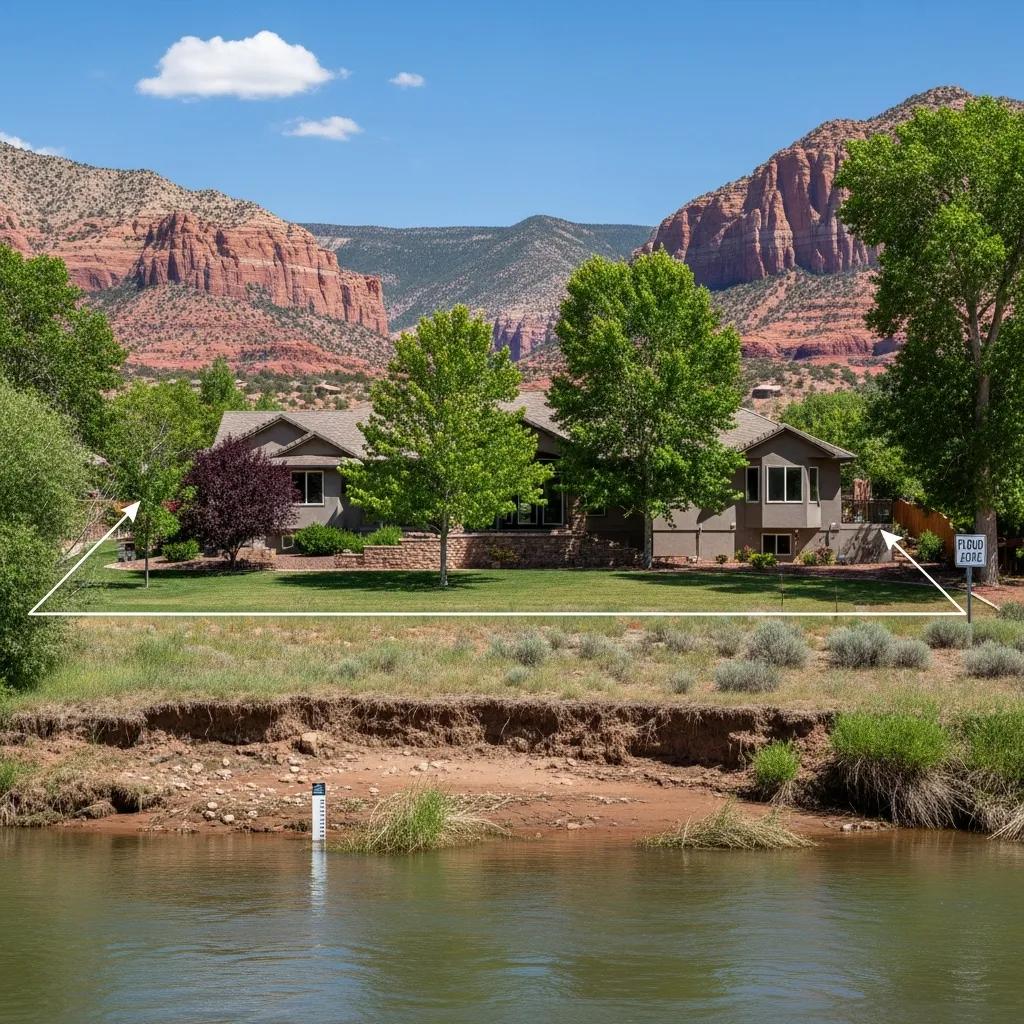
Flood Certification and Floodplain Analysis for Utah Properties: Comprehensive Guide to Flood Zone Mapping and Compliance
Flood certification and floodplain analysis are critical components for property owners in Utah, especially in areas prone to flooding. Understanding these processes not only helps in compliance with local regulations but also protects property investments. This comprehensive guide will delve into the intricacies of flood zone mapping, the importance of flood elevation certificates, and the compliance requirements that property owners must adhere to. By the end of this article, readers will gain insights into how to verify their property’s flood zone, the costs associated with obtaining flood elevation certificates, and the role of certified surveyors in this process.
The article will cover essential topics such as the significance of flood elevation certificates, the process of obtaining them, and the implications for property owners. Additionally, we will explore the floodplain management regulations in Utah and how they impact flood insurance requirements. This guide aims to equip property owners with the knowledge needed to navigate the complexities of flood certification and floodplain analysis effectively.
Comprehensive Guide on Flood Certification and Floodplain Analysis for Utah Properties
Flood certification refers to the process of verifying whether a property is located in a flood zone and determining the necessary steps to comply with local regulations. This process is essential for property owners to ensure they meet the requirements set forth by the Federal Emergency Management Agency (FEMA) and local authorities. Floodplain analysis involves assessing the potential risks associated with flooding in specific areas, which is crucial for effective property management and risk mitigation.
Understanding Flood Elevation Certificates (FEC)
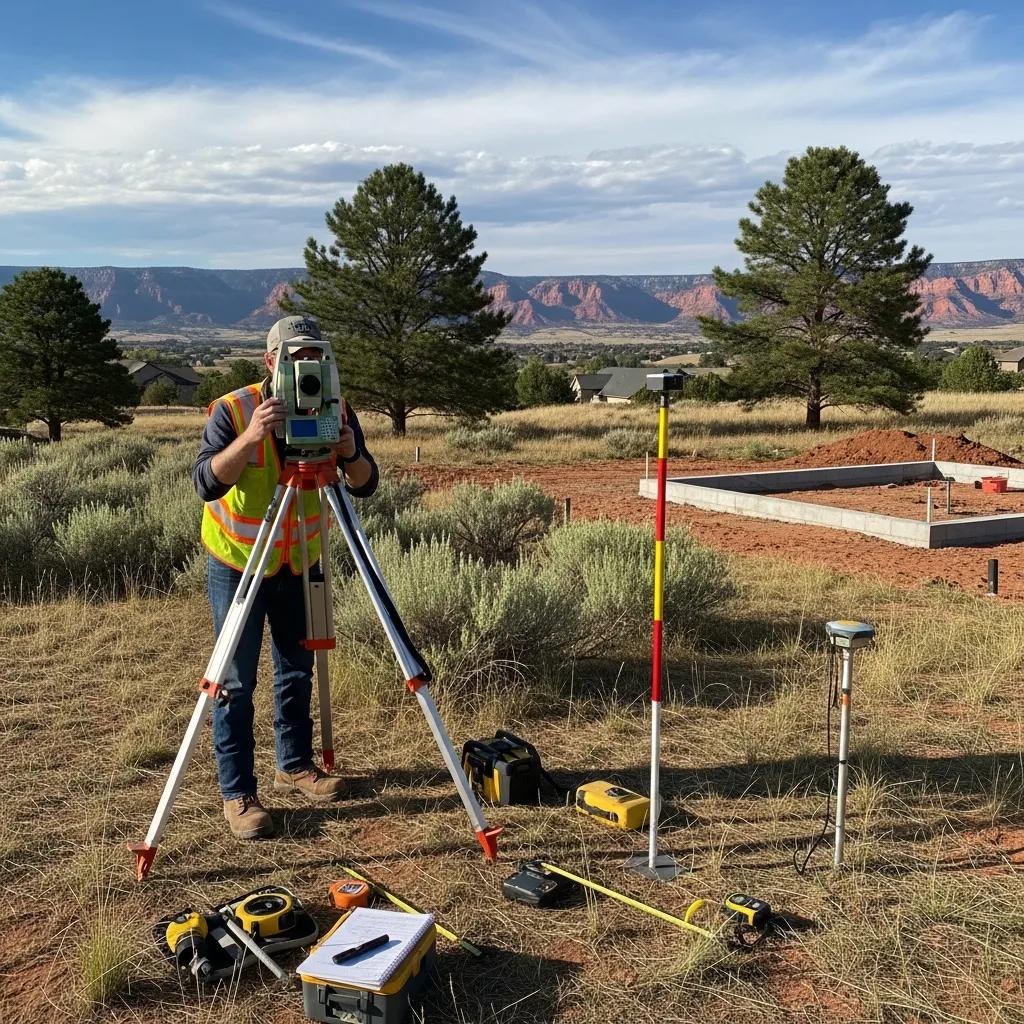
A Flood Elevation Certificate (FEC) is a crucial document that provides information about a property’s elevation in relation to the base flood elevation. This certificate is essential for determining flood insurance rates and ensuring compliance with local building codes. The FEC is typically prepared by a licensed surveyor and includes details about the property’s location, elevation, and flood zone designation.
Importance of Flood Elevation Certificates
Flood Elevation Certificates are vital for several reasons:
- Flood Insurance Requirement: Many lenders require an FEC to issue flood insurance policies, ensuring that properties in flood-prone areas are adequately protected.
- Lowering Insurance Premiums: By providing accurate elevation data, property owners may qualify for lower flood insurance premiums, reducing overall costs.
- Regulatory Compliance: An FEC is often necessary to comply with local and state regulations, ensuring that properties meet safety standards.
Ludlow Engineers offers services to assist property owners in obtaining Flood Elevation Certificates, ensuring compliance and potentially lowering insurance costs.
Flood Zone Mapping
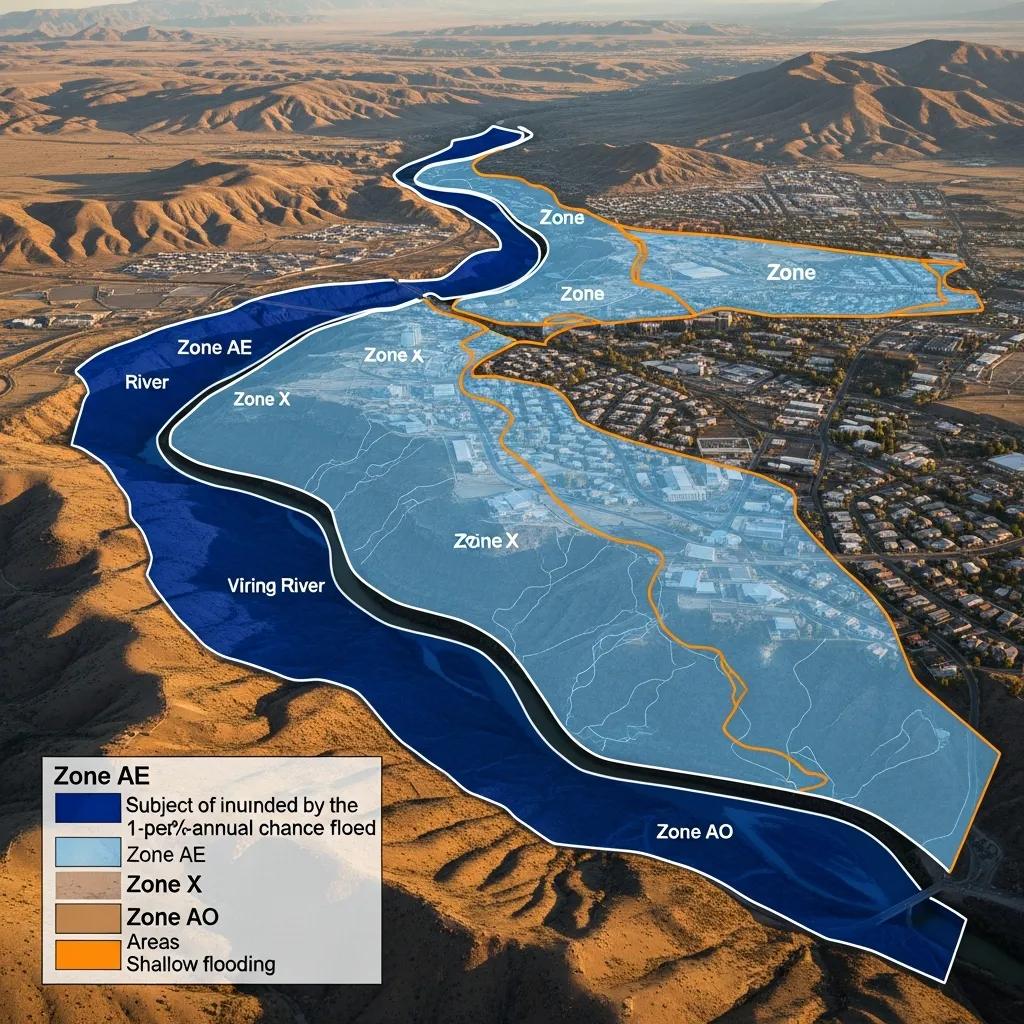
Flood zone mapping is the process of identifying areas at risk of flooding based on historical data and geographical assessments. These maps are created by FEMA and are essential for understanding the flood risk associated with specific properties. Property owners can access these maps to determine their flood zone designation and the associated risks.
While these maps are crucial for risk assessment, their creation and accuracy are subject to various factors, including political considerations that can impact community preparedness.
FEMA Flood Maps: Accuracy, Risk, and Insurance Program Impact
Accurate flood maps are critical to communicating flood risk to vulnerable populations, to mitigating and adapting to floods, and to the functioning of the federal flood insurance program. Yet, we know little about how the mapping process works in practice. This article argues that politics can shape the remapping process in ways that leave communities vulnerable. Because mapping takes place within the context of the National Flood Insurance Program, the conversation at the local level often centers onthe costsof revising the flood hazard zones rather thanthe risksassociated with flooding. This can lead to less than optimal responses by individuals and communities, and suggests that the USA is not adequately preparing for future climate change impacts.
Drawing lines: FEMA and the politics of mapping flood zones, S Pralle, 2019
Compliance Requirements
Compliance with floodplain regulations is mandatory for property owners in designated flood zones. Key requirements include:
- Elevation Certificates: Required for properties in flood zones to determine insurance rates and compliance.
- Building Codes: Adherence to local building codes that dictate construction standards in flood-prone areas.
- Insurance Requirements: Obtaining flood insurance as mandated by lenders and local regulations.
Costs and Benefits of Elevation Certificates
Understanding the costs associated with obtaining Flood Elevation Certificates is essential for property owners. The following table outlines the typical costs and benefits:
Obtaining an FEC can lead to long-term savings on flood insurance premiums and ensure compliance with local regulations.
Process of Obtaining a Flood Elevation Certificate
The process for obtaining a Flood Elevation Certificate typically involves several steps:
- Initial Consultation: Property owners should consult with a certified surveyor to discuss their specific needs and the requirements for obtaining an FEC.
- Site Visit and Data Collection: The surveyor will conduct a site visit to collect necessary elevation data and assess the property.
- Certificate Completion: Once the data is collected, the surveyor will complete the FEC, which can then be submitted to the appropriate authorities.
Role of Certified Surveyors
Certified surveyors play a crucial role in the flood certification process. They are responsible for accurately measuring property elevations and ensuring compliance with local regulations. Their expertise is essential for:
- Assessment of Property Elevations: Providing precise elevation data that is critical for flood insurance and compliance.
- Compliance with Regulations: Ensuring that properties meet all necessary safety and regulatory standards.
- Impact on Insurance Premiums: Helping property owners potentially lower their flood insurance costs through accurate assessments.
Implications for Property Owners
For property owners, understanding flood certification and floodplain analysis is vital for financial protection and community safety. The implications include:
- Financial Protection: Proper flood certification can safeguard property investments and reduce potential losses from flooding.
- Community Safety: Compliance with floodplain regulations contributes to overall community safety and resilience against flooding.
- Informed Decision-Making: Knowledge of flood risks enables property owners to make informed decisions regarding property purchases and improvements.
For assistance with flood certification and obtaining Flood Elevation Certificates, property owners can contact Ludlow Engineers at (435) 623-0897. Their expertise in floodplain analysis and certification services ensures compliance and helps property owners navigate the complexities of flood regulations.
What Are Flood Zones and How Are They Determined in Utah?
Flood zones are designated areas that indicate the risk of flooding based on historical data and geographical assessments. In Utah, these zones are determined by FEMA and are essential for property owners to understand their flood risk. The designation of flood zones is based on various factors, including topography, rainfall patterns, and historical flood events.
Understanding FEMA Flood Maps and Utah-Specific Floodplain Designations
FEMA flood maps provide critical information about flood zones and are updated regularly to reflect changes in flood risk. In Utah, property owners can access these maps to determine their flood zone designation and understand the associated risks. These maps are essential for compliance with floodplain regulations and for obtaining flood insurance.
How to Verify Your Property’s Flood Zone Using Utah Flood Zone Maps
Verifying a property’s flood zone designation is a straightforward process. Property owners can follow these steps:
- Access FEMA Flood Maps: Visit the FEMA website to access the latest flood maps for Utah.
- Locate Your Property: Use the map to find your property and determine its flood zone designation.
- Consult Local Authorities: For further clarification, property owners can consult local floodplain management authorities.
How to Obtain Flood Certification for Properties in Utah
Obtaining flood certification in Utah involves several key steps:
- Identify the Need for Certification: Determine if your property is located in a flood zone and requires certification.
- Engage a Certified Surveyor: Contact a certified surveyor to conduct an elevation survey and prepare the Flood Elevation Certificate.
- Submit the Certificate: Once completed, submit the FEC to your local floodplain management authority and your insurance provider.
Step-by-Step Process for Flood Zone Determination and Certification
The process for flood zone determination and certification includes:
- Initial Assessment: Evaluate whether your property is in a flood zone using FEMA maps.
- Surveyor Engagement: Hire a certified surveyor to conduct an elevation survey.
- Certificate Preparation: The surveyor prepares the Flood Elevation Certificate based on the collected data.
- Submission: Submit the FEC to the relevant authorities for compliance.
Role of Elevation Certificates in Utah Flood Certification
Elevation Certificates are essential for flood certification in Utah. They provide the necessary elevation data to determine flood insurance rates and ensure compliance with local regulations. The accurate information contained in an FEC is crucial for property owners to understand their flood risk and insurance requirements.
What Are the Floodplain Management Regulations and Compliance Requirements in Utah?
Floodplain management regulations in Utah are designed to minimize flood risks and ensure public safety. These regulations require property owners in flood-prone areas to obtain Flood Elevation Certificates and adhere to local building codes. Compliance with these regulations is essential for securing flood insurance and protecting property investments.
Overview of Utah Floodplain Regulations and FEMA Standards
Utah’s floodplain regulations align with FEMA standards to ensure comprehensive flood risk management. These regulations dictate the requirements for floodplain development, including construction standards and insurance mandates. Property owners must stay informed about these regulations to ensure compliance and protect their investments.
How to Ensure Your Property Meets Floodplain Compliance
To ensure compliance with floodplain regulations, property owners should:
- Obtain a Flood Elevation Certificate: This is essential for determining insurance rates and compliance.
- Follow Local Building Codes: Adhere to construction standards set by local authorities.
- Secure Flood Insurance: Obtain flood insurance as required by lenders and local regulations.
What Are the Flood Insurance Requirements and Their Impact in Utah?
Flood insurance requirements in Utah are influenced by a property’s flood zone designation. Properties located in high-risk flood zones are typically required to carry flood insurance, which can significantly impact overall property costs. Understanding these requirements is crucial for property owners to manage their financial risks effectively.
Understanding Flood Insurance Mandates Based on Flood Zones
Flood insurance mandates vary based on flood zone designations. Properties in Special Flood Hazard Areas (SFHAs) are generally required to obtain flood insurance, while those in lower-risk zones may not have the same requirements. Property owners should consult FEMA flood maps to understand their specific insurance obligations.
How Flood Risk Assessment Influences Insurance Premiums
Flood risk assessments play a significant role in determining flood insurance premiums. Properties with higher flood risk typically face higher insurance costs, while those with lower risk may benefit from reduced premiums. Accurate flood elevation data is essential for ensuring fair insurance pricing.
How Can Flood Risk Assessment Help Mitigate Flood Damage in Utah Properties?
Flood risk assessments are crucial for identifying potential vulnerabilities in properties. By understanding flood risks, property owners can take proactive measures to mitigate potential damage, such as elevating structures or implementing drainage solutions. This proactive approach not only protects properties but also enhances community resilience.
Techniques for Accurate Flood Risk Assessment in Utah
Accurate flood risk assessments involve several techniques, including:
- Topographic Surveys: Assessing the land’s elevation and slope to determine flood risk.
- Hydrological Modeling: Analyzing rainfall patterns and runoff to predict flood events.
- Historical Data Analysis: Reviewing past flood events to inform future risk assessments.
Strategies for Flood Risk Mitigation and Property Protection
To mitigate flood risks, property owners can implement several strategies:
- Elevate Structures: Raising buildings above the base flood elevation can reduce flood damage.
- Install Flood Barriers: Using barriers can help redirect floodwaters away from properties.
- Improve Drainage Systems: Enhancing drainage can prevent water accumulation during heavy rains.
Where to Find Resources and Updates on Utah Floodplain Maps and Regulations?
Property owners can access resources and updates on Utah floodplain maps and regulations through:
- FEMA Website: The official source for flood maps and regulatory updates.
- Utah Floodplain Authority: Local authorities provide information on state-specific regulations and compliance requirements.
- Professional Surveyors: Engaging certified surveyors can provide insights into the latest regulations and mapping updates.
Accessing the Latest FEMA Flood Map Updates for Utah
FEMA regularly updates flood maps to reflect changes in flood risk. Property owners can access the latest updates through the FEMA website, ensuring they have the most current information regarding their flood zone designation and associated risks.
Monitoring Utah Floodplain Authority Guidelines and Changes
Staying informed about changes in floodplain regulations is essential for property owners. The Utah Floodplain Authority provides updates on guidelines and compliance requirements, helping property owners navigate the complexities of flood certification and risk management.