
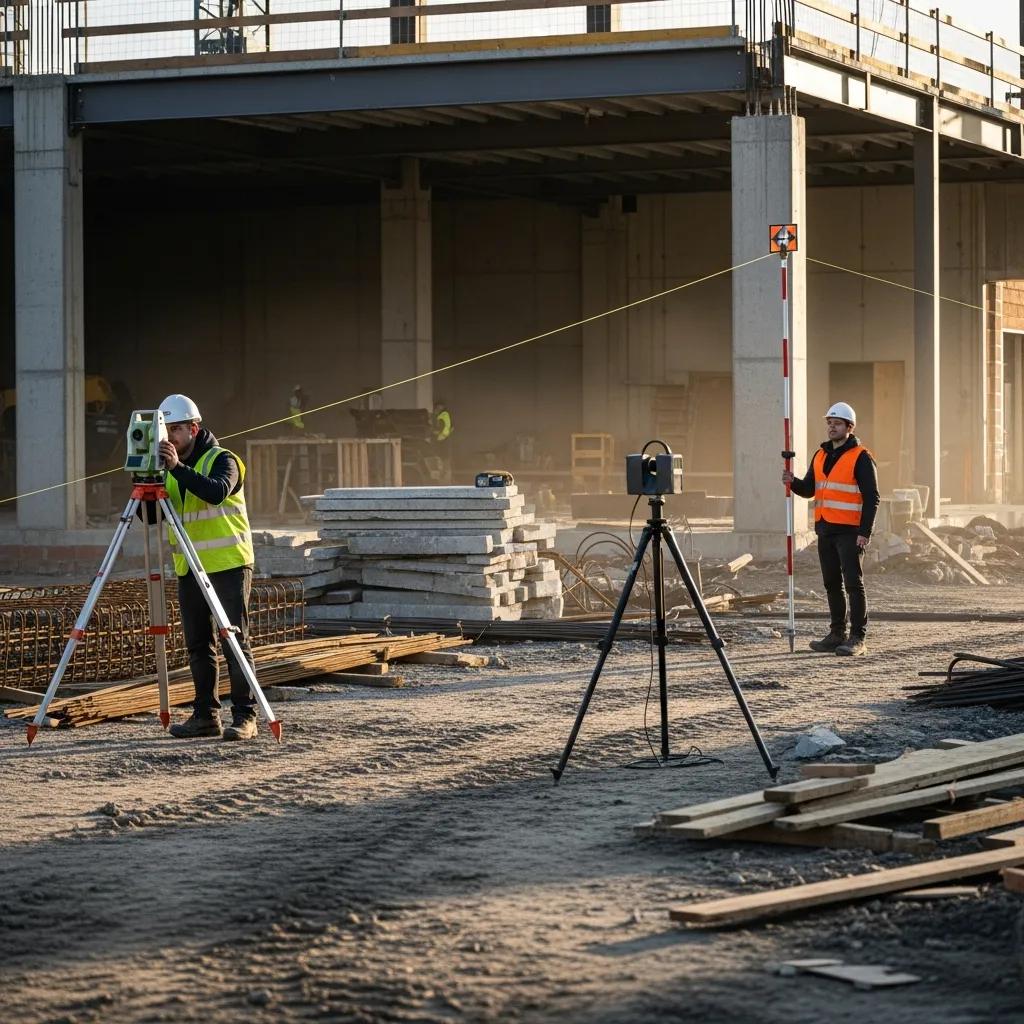
As-Built Survey: Complete Guide to Post-Construction Documentation
As-built surveys are critical in the construction industry, providing a detailed record of a project’s final state after completion. These surveys capture the actual dimensions, locations, and conditions of structures, ensuring that all modifications made during construction are documented accurately. This comprehensive guide will explore the definition, importance, and benefits of as-built surveys, as well as the various methods used to conduct them. Many construction professionals face challenges in maintaining accurate documentation, which can lead to compliance issues and project delays. By understanding the nuances of as-built surveys, stakeholders can enhance project management and ensure regulatory compliance. This article will cover the definition and purpose of as-built surveys, the surveying methods employed, the creation of as-built drawings, legal requirements, cost factors, and recent industry trends.
What Is an As-Built Survey and Why Is It Essential?
An as-built survey is a detailed representation of a construction project as it was actually built, capturing all modifications made during the construction process. This survey serves as a crucial tool for architects, engineers, and contractors, providing a reliable reference for future renovations, maintenance, and compliance with local regulations. The primary benefit of as-built surveys lies in their ability to ensure that all changes from the original plans are documented, which is essential for accurate project management and future planning.
Definition and Purpose of As-Built Surveys
As-built surveys are conducted after the completion of a construction project to document the final specifications of the building or infrastructure. They provide a comprehensive overview of the project, including the exact locations of structural elements, utilities, and other critical features. This documentation is vital for ensuring that the project meets design specifications and regulatory requirements, facilitating future maintenance and modifications.
Key Benefits of Post-Construction Documentation
Post-construction documentation offers several key benefits, including:
- Improved Accuracy: As-built surveys provide precise measurements and details that reflect the actual conditions of the project, reducing discrepancies between plans and reality.
- Regulatory Compliance: Accurate documentation helps ensure that the project adheres to local building codes and regulations, minimizing the risk of legal issues.
- Enhanced Project Management: With a clear understanding of the final construction, project managers can make informed decisions regarding future renovations or expansions.
Which Surveying Methods Are Used for Accurate Post-Construction Site Surveys?
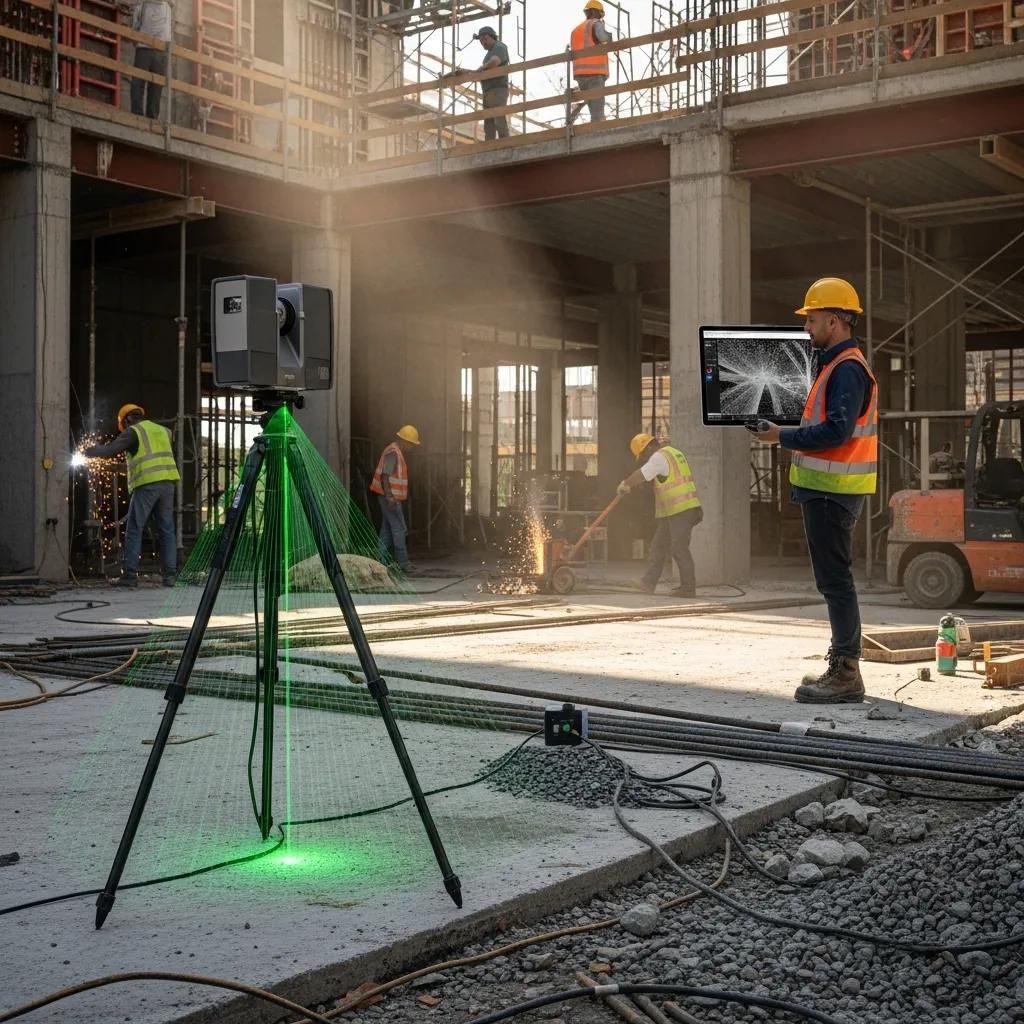
Accurate post-construction site surveys utilize a variety of surveying methods to capture the necessary data. These methods range from traditional techniques to advanced technologies, each offering unique advantages in terms of precision and efficiency.
Traditional Techniques: Total Station and GPS Surveying
Traditional surveying methods, such as total station and GPS surveying, have been widely used for as-built surveys. Total stations combine electronic theodolites with distance measuring devices, allowing surveyors to capture precise measurements of angles and distances. GPS surveying, on the other hand, utilizes satellite signals to determine the exact location of points on the earth’s surface, providing high accuracy for large-scale projects.
Advanced Technologies: 3D Laser Scanning and BIM Integration
Recent advancements in technology have introduced methods like 3D laser scanning and Building Information Modeling (BIM) integration into the surveying process. 3D laser scanning captures millions of data points in a short time, creating a highly detailed 3D model of the construction site. BIM integration allows for the incorporation of as-built data into digital models, facilitating better visualization and analysis of the project.
This shift towards advanced technologies is often driven by the inherent limitations and potential for human error in more conventional, manual surveying techniques.
As-Built Surveys: Laser Scanner vs. Conventional Methods
Many surveyors still rely on the conventional method, which involves using a distometer and measuring tape for their strata as-built surveys. This is due to the simplicity and cost-effectiveness of the equipment. However, the conventional method is highly susceptible to human errors, unlike the laser scanner, which captures all features in point clouds without human intervention.
Comparison of As-Built Surveys Using Handheld Laser Scanner and Conventional Method, MFM Ariff, 2024
How Are As-Built Drawings Created and What Do They Include?
As-built drawings are essential components of the documentation process, providing a visual representation of the completed project. These drawings are created using data collected during the as-built survey and must include specific elements to be effective.
Components of As-Built Drawings and Reports
As-built drawings typically include detailed information such as the locations of structural elements, dimensions, and any modifications made during construction. They may also feature annotations that highlight significant changes from the original design, ensuring that all stakeholders have a clear understanding of the final product.
Role of CAD and BIM in Construction Documentation Process
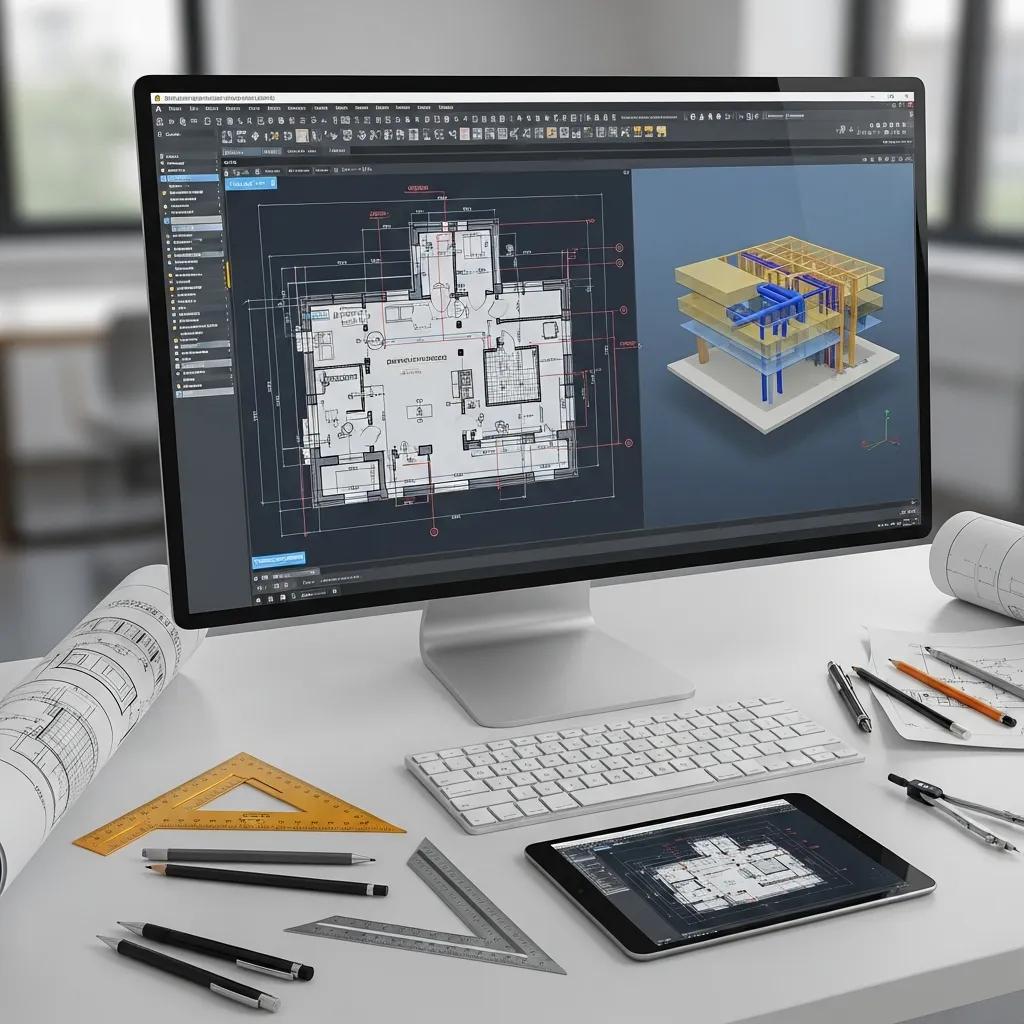
Computer-Aided Design (CAD) and BIM play crucial roles in the creation of as-built drawings. CAD software allows for precise drafting and editing of drawings, while BIM provides a comprehensive platform for integrating various aspects of the construction project. Together, these tools enhance the accuracy and efficiency of the documentation process.
What Are the Legal and Compliance Requirements for Post-Construction Surveys?
Understanding the legal and compliance requirements for post-construction surveys is essential for ensuring that projects meet all necessary regulations. This section will explore the key aspects of local building codes and the importance of compliance.
Understanding Local Building Codes and Regulatory Standards
Local building codes dictate the standards that must be met during construction, including safety, accessibility, and environmental considerations. As-built surveys help verify that the completed project complies with these codes, reducing the risk of penalties or required modifications.
Ensuring Construction Site Verification and Project Approval
Verification processes are critical for ensuring that the construction site meets all regulatory requirements. As-built surveys provide the necessary documentation to demonstrate compliance, facilitating project approval from local authorities and ensuring that the project can proceed without delays.
How Do Cost and Time Factors Influence As-Built Survey Services?
Cost and time considerations are significant factors in the planning and execution of as-built survey services. Understanding these elements can help stakeholders make informed decisions regarding their surveying needs.
Typical Cost Components of As-Built Survey Services
The cost of as-built survey services can vary based on several factors, including the size and complexity of the project, the surveying methods used, and the level of detail required. Typical cost components include labor, equipment rental, and data processing fees. For example, comprehensive surveys utilizing advanced technologies like 3D laser scanning may incur higher costs due to the specialized equipment and expertise required.
Timeframes and Scheduling Considerations for Post-Construction Documentation
Timeframes for completing as-built surveys can also vary significantly. Factors such as project size, weather conditions, and the availability of surveyors can impact scheduling. Generally, stakeholders should plan for a timeframe of a few days to 1-2 weeks for smaller projects, while larger or more complex surveys may require several weeks to complete.
What Are Recent Industry Trends and Case Studies in As-Built Surveying?
The field of as-built surveying is continually evolving, with new technologies and methodologies emerging to improve accuracy and efficiency. This section will explore recent trends and relevant case studies that highlight advancements in the industry.
Adoption of 3D Laser Scanning and BIM Technologies
The adoption of 3D laser scanning and BIM technologies has revolutionized the as-built surveying process. These tools allow for rapid data collection and integration, resulting in more accurate and comprehensive documentation. Case studies have shown that projects utilizing these technologies experience fewer discrepancies and improved project outcomes.
Case Studies Demonstrating Surveying Accuracy Improvements
Several case studies illustrate the benefits of modern surveying techniques. For instance, a recent project involving a large commercial building utilized 3D laser scanning to capture as-built data, resulting in a 30% reduction in rework due to discrepancies between the original plans and the completed structure. Such examples underscore the importance of adopting advanced surveying processes to enhance accuracy and efficiency.
For more information on professional surveying services, consider Ludlow Engineers.
Frequently Asked Questions
What is the difference between as-built surveys and traditional surveys?
As-built surveys focus on documenting the actual conditions of a construction project after completion, capturing all modifications made during the construction process. In contrast, traditional surveys often rely on initial design plans and may not account for changes that occurred during construction. As-built surveys provide a more accurate representation of the final structure, which is essential for future renovations, maintenance, and compliance with regulations.
How often should as-built surveys be conducted?
As-built surveys should ideally be conducted at the end of each construction phase or project to ensure that all modifications are accurately documented. However, the frequency may vary based on project size and complexity. For larger projects, interim surveys can help track changes and ensure compliance throughout the construction process, while smaller projects may only require a final survey upon completion.
Who is responsible for conducting as-built surveys?
Typically, licensed surveyors or engineering firms are responsible for conducting as-built surveys. These professionals possess the necessary expertise and equipment to accurately capture the final conditions of a construction project. It is essential for stakeholders, including architects, contractors, and project managers, to collaborate with qualified surveyors to ensure that the surveys meet all legal and regulatory requirements.
What technologies are emerging in as-built surveying?
Emerging technologies in as-built surveying include advanced 3D laser scanning, drone surveying, and Building Information Modeling (BIM) integration. These technologies enhance the accuracy and efficiency of data collection, allowing for rapid and detailed documentation of construction sites. The use of drones, for instance, can provide aerial views and data collection for large projects, while 3D laser scanning captures millions of data points quickly, improving overall project outcomes.
Can as-built surveys help with future renovations?
Yes, as-built surveys are invaluable for future renovations and modifications. They provide a detailed record of the existing conditions, including structural elements and utilities, which is crucial for planning any changes. By having accurate as-built documentation, architects and contractors can make informed decisions, reducing the risk of errors and ensuring that renovations comply with current building codes and regulations.
What are the common challenges faced during as-built surveys?
Common challenges during as-built surveys include access issues, varying site conditions, and the potential for human error in data collection. Additionally, coordinating with multiple stakeholders can complicate the process. To mitigate these challenges, it is essential to plan surveys carefully, utilize advanced technologies, and ensure clear communication among all parties involved to facilitate a smooth surveying process.
Conclusion
As-built surveys are essential for ensuring accurate documentation of construction projects, providing a reliable reference for future renovations and compliance. By utilizing advanced technologies like 3D laser scanning and BIM, stakeholders can enhance project management and reduce discrepancies. Understanding the legal requirements and cost factors associated with these surveys further reinforces their value in the construction industry. For expert assistance in your next project, explore our professional surveying services today.