
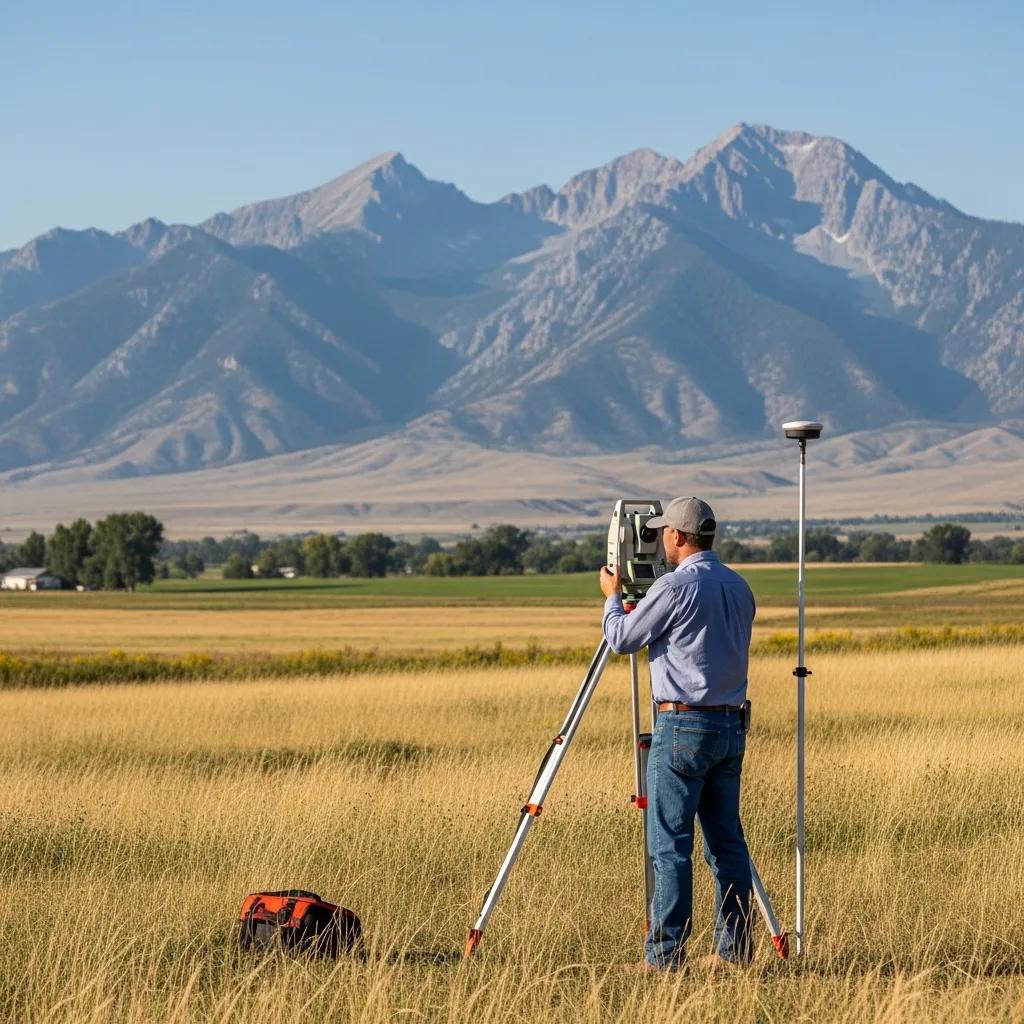
Mona, Utah Land Surveyors — Services, Technology & Cost Guide
A clear, accurate land survey establishes the legal footprint of a property in Mona, Utah, helps guide development decisions, and prevents costly surprises during sales or construction. This guide walks Mona property owners through what surveying involves, the common survey types used around Sanpete County, typical cost drivers, and how licensed surveyors use modern tools—GNSS, total stations, drone photogrammetry, and LiDAR—to raise confidence in results. You’ll also find practical steps for requesting a transparent quote, how boundary surveys protect ownership, when an ALTA survey is needed for commercial closings, and why local experience matters for Mona’s rural terrain and permitting process. The goal is simple: help property owners make informed choices and secure dependable survey deliverables for real estate, development, or dispute resolution.
What Land Surveying Services Are Available in Mona Utah?
In Mona, land surveying covers a range of specialized services: boundary surveys, ALTA/NSPS surveys, topographic mapping, drone/UAV surveys, LiDAR, civil site plans, and FHA foundation inspections. Licensed surveyors combine field measurements with records research to deliver plats, topo maps, and engineered site plans that support permitting, title work, subdivision, and construction. On rural parcels you’ll often see natural features, limited access, and unique record quirks that affect scope and deliverables. Knowing what each service does helps you pick the right survey for a transaction, improvement, or boundary issue.
- Boundary surveys to locate legal property lines and monuments.
- ALTA/NSPS surveys for lender and title requirements on commercial property.
- Topographic surveys that map contours, utilities, and drainage for design.
- Drone/UAV and LiDAR surveys for fast, high-resolution site capture.
Typical deliverables include recorded plats, certified field notes, CAD files, contour maps, and coordinate reports that plug directly into civil engineering and permitting workflows. For Mona-area work, Ludlow Engineers and Associates provides in-house surveying and civil engineering services with a focus on local terrain knowledge and client service.
How Do Boundary Surveys Define Property Lines in Mona Utah?

A boundary survey establishes the precise corners and lines of a parcel by combining title and deed research with on-site measurement and monumentation. It answers the basic question: where does ownership begin and end? The work starts in the office—researching legal descriptions, plats, and title documents—then continues in the field with GNSS/GPS and total station surveys to locate monuments, corners, and visible improvements.
Once field data and record evidence are reconciled, a licensed surveyor prepares a survey plat and written report, and may recommend setting or replacing monuments and recording the results with the county.
Boundary surveys carry legal weight in real estate transactions and dispute resolution. Recorded plats and sealed survey reports are relied on by title companies and courts as authoritative location evidence. Knowing the typical steps helps owners understand timing and likely outcomes when confirming lines or resolving conflicts.
When Is an ALTA Survey Needed for Mona Commercial Properties?
An ALTA/NSPS survey is requested when lenders, title companies, or buyers need a comprehensive commercial-level survey that documents easements, improvements, access, and other title-related items—beyond what a basic boundary survey shows. Common triggers include commercial financing, large transfers of interest, subdivisions of commercial land, or a title commitment that requires ALTA surveys certification. ALTA surveys follow a standards checklist and may include zoning setbacks, visible easements, and certifications to lenders and title insurers; they usually take more time because of added research and coordination. For Mona commercial properties, an ALTA protects buyers and lenders by exposing encumbrances and site conditions that affect use or value, and local surveyors coordinate with county records to make sure the survey is complete.
Why Are Topographic Surveys Important for Mona Utah Land Development?

Topographic surveys map terrain—contours, spot elevations, drainage patterns, vegetation, and existing utilities—and provide the base data engineers need for site design, grading, drainage analysis, and permitting. In Mona’s rural and semi-rural settings, accurate topographic data reveals slopes, cut-and-fill volumes, and natural drainage routes that influence building placement, road alignment, and stormwater controls. Designers and civil engineers use topo surveys to prepare civil site plans, permit submittals, and earthwork estimates—investing in a good topo up front reduces rework and shortens permitting cycles. Deliverables usually include contour maps, digital surface models, and CAD files compatible with design software.
How Do Advanced Technologies Like Drone and LiDAR Surveying Improve Accuracy in Mona?
Modern survey technologies—drone photogrammetry, airborne or terrestrial LiDAR, GNSS control, and total-station measurements—bring complementary strengths that speed fieldwork and raise data quality on Mona properties. Drones capture high-resolution imagery quickly and produce orthophotos and point clouds; LiDAR can penetrate vegetation to reveal bare-earth models on brushy sites; GNSS delivers fast, georeferenced control across large parcels; and total stations provide very precise measurements around structures and monuments. The right mix depends on accuracy needs, site access, and desired deliverables. Matching methods to the site reduces field time and delivers clearer data for engineers, planners, and title work.
The table below summarizes common technologies, typical accuracy ranges, best-use scenarios, and common deliverables to help owners and project teams choose the right approach for each survey.
Combining GNSS control with drone capture or LiDAR sweeps often gives the best balance of efficiency and accuracy on Mona projects. Modern survey teams commonly layer these technologies into a single scope to meet project requirements.
How Much Does a Land Survey Cost in Mona Utah?
Survey costs in Mona vary based on the survey type and site conditions. Simple residential boundary surveys for small lots are typically at the lower end; ALTA/NSPS commercial surveys, large rural parcels, or surveys that require LiDAR or extensive monumentation are at the higher end. Major cost drivers include property size, boundary complexity, terrain and vegetation, existing improvements, access, and requested deliverables like CAD files or certified plats. Knowing these drivers helps you request targeted, itemized quotes and avoid scope creep. Below is a concise breakdown of the primary pricing factors and how they influence an estimate.
Land survey pricing in Mona typically depends on these principal factors:
- Property size and boundary complexity: larger or irregular parcels take more field and office time.
- Terrain and vegetation: steep slopes or dense brush slow crews and may require aerial or LiDAR methods.
- Survey type and deliverables: ALTA, topographic mapping, and civil site plans require more research and output than a simple property-line survey.
- Access and permissions: remote locations, gated sites, or required utility coordination add mobilization time.
- Record research and title coordination: historical deed work and title company coordination increase office hours.
With these variables in mind, homeowners and developers can provide focused information to obtain comparable, itemized quotes that spell out assumptions and deliverables.
Below is a table that outlines cost factors with sample explanations to help Mona property owners anticipate how each factor shifts price.
Many owners prefer itemized quotes that list tasks, assumptions, equipment, and deliverables instead of a single lump-sum price. At Ludlow Engineers and Associates we provide transparent, itemized estimates for Mona-area work so clients can compare scopes and costs with confidence.
Why Choose Licensed Land Surveyors in Mona Utah?
Hiring a licensed land surveyor ensures your survey is prepared by a professional authorized to certify location data, follow state standards, and produce recordable plats and sealed documents for title and permitting. Licensing demonstrates technical competence, ethical responsibility, and accountability—qualities that protect property owners with defensible survey records. Local expertise adds value in Mona: familiarity with county records, historic monument locations, and common terrain issues reduces surprises in the field and speeds coordination with permitting staff. Licensed surveyors also interpret legal descriptions and reconcile competing evidence, which is crucial for preventing or resolving disputes.
- Accurate, certifiable plats that meet county and title company requirements.
- Lower risk of boundary errors through thorough records research and monumentation.
- Smoother permitting because of familiarity with local reviewer expectations.
Choosing a licensed local provider increases the chance of efficient, legally defensible outcomes for property changes, title work, and development.
What Are the Benefits of Hiring Ludlow Engineers and Associates in Mona?
At Ludlow Engineers and Associates we combine land surveying and civil engineering under one roof, which benefits Mona property owners who need coordinated site planning and field measurement. Our in-house team of surveyors and engineers coordinates survey control, topographic mapping, and civil site plan production to reduce handoffs and miscommunication. Because we focus on Central Utah, our team knows local record sources and terrain quirks and can anticipate permitting issues before they slow a project. For clients who need both survey data and engineered site solutions, this integrated approach shortens timelines and makes responsibilities clear.
- In-house surveyor–engineer coordination speeds design turnarounds.
- Regional experience ensures data is relevant for local permitting.
- Comprehensive services reduce the need to subcontract key tasks.
These strengths help Ludlow Engineers deliver efficient, locally informed survey and engineering packages with clear communication on scope and expectations.
How Does Local Expertise Impact Survey Accuracy in Mona Utah?
Local experience improves accuracy through knowledgeable records interpretation, recognition of common monument patterns, and practical field approaches tailored to the area’s terrain and seasonal conditions. Teams familiar with Sanpete County records can more quickly find original monuments and reconcile gaps between deeds and on-the-ground evidence, which strengthens the defensibility of a survey. Experience with seasonal access issues, drainage behavior, and local utility layouts also helps plan optimal fieldwork windows and choose the right technologies. The result: fewer re-surveys, faster permitting, and lower dispute risk because the survey aligns with local evidence and regulatory expectations.
Those practical advantages explain why property owners often choose licensed surveyors with regional experience when accuracy and timeliness matter.
Do Property Line Surveys Help Resolve Boundary Disputes in Mona Utah?
Property line surveys are authoritative technical records that clarify legal boundaries and often prevent disputes—or provide the primary evidence for resolving them. A licensed surveyor’s plat and certified report document monuments, deed references, and observed evidence to create a clear, objective record useful in negotiation, mediation, or legal action.
Typical dispute-resolution work includes records research, reestablishing corners and lines in the field, producing a new survey plat, and—when needed—monumentation or recordation of agreed adjustments. Bringing a licensed surveyor in early gives objective data that can reduce escalation and guide settlements.
Surveys offer several legal protections and practical outcomes for owners dealing with disputes or title questions:
- Official survey plats that map legal lines and monuments used in title work.
- Expert reports that document research and methods for mediation or court use.
- Monumentation and recordation options that establish lasting physical markers.
Those protections reduce ambiguity about ownership lines and support smoother transactions and dispute resolution.
What Legal Protections Do Boundary Surveys Provide for Mona Property Owners?
Boundary surveys create recordable documents—survey plats and certified reports—that become part of the public record and are used by title companies, lenders, and courts to confirm location and ownership. Because certified surveys are prepared under a licensed surveyor’s seal, they carry professional accountability and show the procedures used to determine lines. In conveyance or title disputes, recorded plats and field notes are primary evidence of boundaries and inform title insurance and closing processes. While a survey doesn’t replace legal counsel, it is an essential technical input attorneys and title professionals rely on when advising clients.
How Are Property Line Surveys Conducted by Licensed Surveyors in Mona?
Licensed surveyors follow a standard process: records and deed research, field reconnaissance and measurement, analysis and reconciliation of recorded versus observed evidence, preparation of a survey plat and written report, and—if needed—monumentation and recordation. Field crews use GNSS, total stations, and sometimes drone imagery to capture accurate positions for monuments, improvements, and terrain, and office staff compile those observations into a certified plat.
Monumentation can include setting iron rods or concrete monuments at reestablished corners, and recordation files the survey with county offices. This methodical workflow produces defensible results that marry legal descriptions, physical evidence, and precise measurements appropriate to Mona’s landscape.
What Are Civil Site Plans and FHA Foundation Inspections in Mona Utah?
Civil site plans are engineered drawings that show proposed grading, drainage, utilities, access, and erosion controls for a construction project—turning survey base data into constructible plans for permits and contractor bidding. In Mona, civil site plans are used to obtain building and land-use permits, coordinate contractors, and anticipate earthwork and utility routing. FHA foundation inspections are independent checks tied to mortgage underwriting requirements; they document that foundations meet lender standards for dimensions and structure. Both civil site plans and FHA inspections ensure projects meet regulatory and lending criteria.
Civil site plans typically include:
- Existing and proposed contours and spot elevations.
- Locations of utilities, septic/sewer connections, and drainage paths.
- Grading plans, erosion-control measures, and driveway/access layouts.
How Do Civil Site Plans Support Construction Projects in Mona?
Civil site plans give contractors and permitting agencies the technical roadmap for executing work, managing stormwater, and meeting local codes. By converting topographic and boundary data into grading plans, utility layouts, and erosion-control details, site plans reduce ambiguity in bidding and construction and help avoid costly changes in the field. For Mona projects, plans account for slope, seasonal drainage, and road access to prevent problems during grading and foundation work. Clear, engineer-sealed site plans also streamline permit reviews.
Why Are FHA Foundation Inspections Essential for Mona Homeowners?
FHA foundation inspections verify that the foundation system meets the dimensional, structural, and material criteria required by lenders underwriting FHA-backed loans and similar programs. Inspectors check footing depth, reinforcement, concrete quality, and alignment against approved plans so foundations can support safe occupancy and lender protection. For Mona homeowners using financed construction or involving FHA underwriting in a resale, timely foundation inspection and certification prevent loan-closing delays and protect buyers and lenders from structural deficiencies. Early engagement of inspectors familiar with lender criteria reduces rework and helps closings run smoothly.
How Can You Request a Land Survey Quote or Consultation in Mona Utah?
Requesting a land survey quote for a Mona property is faster and more accurate when you prepare key property identifiers and project context up front. Provide the property address, parcel number or legal description, the survey’s purpose (boundary, ALTA, topo, site plan, FHA inspection), preferred deliverables (recorded plat, CAD files, point cloud), and any access or timing constraints. That information reduces follow-up, clarifies assumptions about scope and equipment, and helps providers give comparable, itemized estimates. A simple checklist speeds turnaround and makes it easier to compare proposals.
When requesting a quote, include the following items to speed evaluation:
- Property address and parcel number or legal description for records lookup.
- The survey purpose and desired deliverables (plat, CAD, contours).
- Known access issues, gates, or seasonal restrictions.
- Preferred timeline for fieldwork and final deliverables.
Providing these details up front helps survey firms produce itemized quotes that list assumptions, tasks, equipment needs, and expected timelines so you can make informed decisions.
What Information Is Needed to Get an Accurate Survey Quote in Mona?
Accurate quotes require a clear scope and site context: the survey type, parcel identifiers, deliverable formats, and any special conditions (steep slopes, dense vegetation, or a need for LiDAR/drone work). Providing recent title commitments or existing plats speeds record research. Tell the surveyor if monumentation, recordation, or coordination with title companies is required, and note any deadlines or construction milestones so mobilization is priced correctly. Clear assumptions in the proposal prevent later scope disputes and help you budget for both field and office work.
How to Contact Ludlow Engineers for Expert Land Surveying Services in Mona?
To request a consultation or a site-specific quote from Ludlow Engineers and Associates for Mona-area projects, use the contact form or inquiry tools on our website and include the checklist items above. After you submit a request, expect a follow-up to confirm parcel identifiers, clarify access, and schedule a site visit if needed—this initial coordination sets the assumptions for an itemized, transparent estimate. We emphasize clear, itemized proposals and close coordination between our survey and civil engineering teams so you receive cohesive survey and plan packages.
- Provide parcel identifiers and the survey purpose in the initial message.
- Expect a confirmation of assumptions and a request to schedule field access.
- Receive an itemized estimate that outlines tasks, deliverables, and timelines.
By sharing full project context up front, Mona property owners shorten the path to an accurate quote and efficient mobilization for fieldwork.
Frequently Asked Questions
What qualifications should I look for in a land surveyor in Mona, Utah?
Look for a licensed surveyor with local experience. Useful qualifications include a degree in surveying or a related field, state licensure, and a portfolio of completed projects. Local knowledge of county records, terrain, and permitting practices matters a lot in rural areas like Mona. Ask for client references or testimonials to confirm reliability and professionalism.
How long does a typical land survey take in Mona?
Survey duration depends on the survey type, property size, and site complexity. A simple residential boundary survey can take a few hours to a day, while ALTA/NSPS or full topographic surveys may require several days for fieldwork plus additional office time for research and mapping. Weather, access, and record research can also affect the schedule—discuss timing with your surveyor up front.
What should I do if I disagree with a survey result?
If you disagree with a survey, first talk with the licensed surveyor who prepared it; they can explain methods and findings. If questions remain, consider an independent review by another surveyor. Keep detailed records of communications and findings, as those notes can be important if the issue escalates. Early professional engagement often helps resolve disagreements without formal legal action.
Are there specific regulations for land surveying in rural areas like Mona?
Yes. Surveying in rural areas can involve regulations that differ from urban settings, including zoning, environmental protections, and county-specific recording requirements. Surveyors must be familiar with state and county rules, and with any special rural land-use issues such as agricultural zoning or conservation easements. Working with a local surveyor helps ensure regulatory compliance.
What are the common challenges faced during land surveys in Mona?
Common challenges include varied terrain, dense vegetation, and limited access. Natural features like hills, streams, and trees can complicate measurements and line-of-sight work. Historical records may be incomplete or ambiguous, creating reconciliation challenges. Local surveyors use tools like LiDAR and drone photogrammetry to improve efficiency and accuracy in difficult conditions.
How can I prepare for a land survey on my property?
Gather property deeds, prior surveys, and any existing boundary markers you know about. Clear brush or objects near known property lines if possible to aid access. Tell your surveyor about gates, locked areas, or specific concerns. Sharing recent title commitments or plats speeds research and helps the survey team prepare, leading to a smoother site visit.