
How to Choose the Best Land Surveying Company Near You — Compare Bids, Credentials & Turnaround Times
Picking the right land surveying company matters. The right team delivers accurate measurements, keeps your schedule on track, and prevents costly rework.
This guide walks you through how to compare bids, confirm credentials, and set realistic expectations for turnaround times.
Read on and you’ll finish with a clear checklist to help you choose a local land surveyor with confidence.
We’ll also cover the key factors to evaluate, how to verify licensed surveyors, typical project timelines, what customers say, which modern tools matter, and how to ask for a transparent bid.
What Should I Look For When Comparing Land Survey Bids?
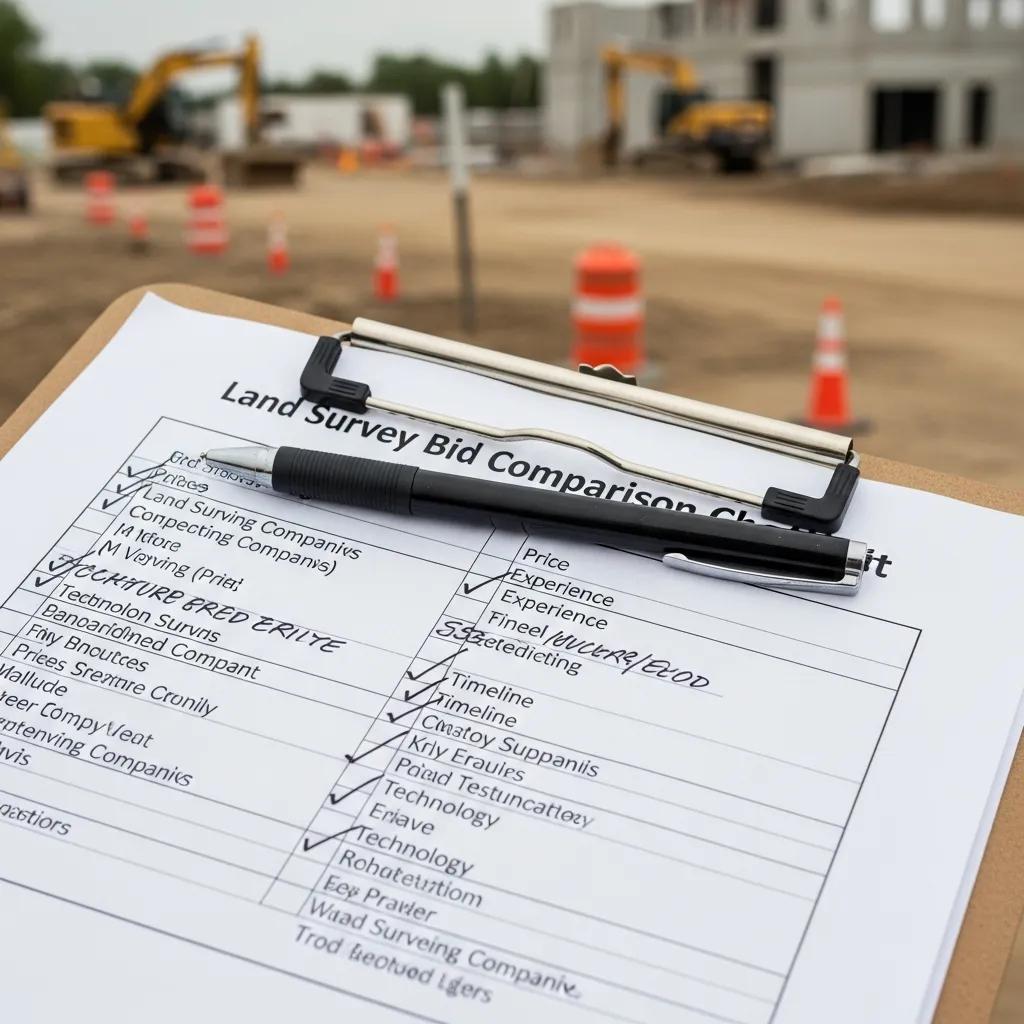
When you review survey bids, focus on what’s included—not just the bottom line. A clear bid shows scope, milestones, exclusions, and any likely extra costs so you can compare offers apples-to-apples.
Knowing how bidding affects schedule and scope makes it easier to spot realistic proposals.
Cadastral Survey Bidding & Turnaround Times
Cadastral surveys handled administratively can finish faster because they skip time-consuming public bidding, on-site inspections, and extended evaluations.
Assessment of the Effectiveness and Efficiency of the Cadastral Survey Program of the Department of Environment and Natural Resources (DENR), 2013
A strong bid will lay out the services provided, a realistic timeline, and any conditions that could change cost or schedule.
Which Factors Affect Land Survey Bid Prices?
Several elements affect survey pricing:
- Location of the Survey: Site access, terrain, and travel distance all influence cost and effort.
- Type of Survey Required: Boundary, topographic, ALTA/NSPS, or construction staking each require different methods and deliverables.
- Complexity of the Project: Dense vegetation, unclear records, or many structures add time and expense.
Understanding these drivers helps you evaluate whether a bid is reasonable for your project.
How to Use a Survey Bid Comparison Checklist Effectively?
A checklist keeps comparisons objective. Be sure each bid includes these items:
- Service Details: A clear description of deliverables, plats, and reporting.
- Pricing Structure: Base price, assumed conditions, and charges for extras or revisions.
- Timeline Expectations: Field dates, draft deliverables, and final delivery—plus contingency plans for delays.
Use the checklist to flag gaps and follow up with bidders before you decide.
How Do I Verify Licensed Land Surveyors Near Me?

Verifying credentials is a must. Confirming licenses and certifications ensures your surveyor meets legal and technical standards.
A verified license protects you and signals the surveyor follows professional and regulatory requirements.
Land Surveyor Certification & Credentialing
Surveyors should periodically assess their credentials, identify any gaps, and pursue the training or examinations needed to become or remain certified professionals.
Pathways to Credential Recognition of Foreign-Trained Lands Surveyors., 2017
What Credentials and Licenses Should a Land Surveyor Have?
Look for these core credentials:
- State Licensing: A current state license is generally required to sign official surveys and affidavits.
- Professional Certifications: Certifications like Certified Survey Technician (CST) or membership in the National Society of Professional Surveyors (NSPS) demonstrate added competence.
- Continuing Education: Regular training shows the firm keeps up with standards, software, and regulations.
These items help ensure your survey will stand up to legal and construction review.
Where Can I Check Surveyor License Numbers and Certifications?
Use these resources to verify credentials:
- State Licensing Board Websites: Most state boards provide searchable license databases.
- Online Verification Tools: Enter a name or license number to confirm status and any disciplinary actions.
- Professional Associations: Associations can confirm certifications and listings for member firms.
Always record license numbers and verify them before work begins.
What Are Typical Turnaround Time Estimates for Land Surveying Projects?
Turnaround varies by survey type and site conditions. Below are common timeframes to plan around.
How Long Does Each Type of Land Survey Usually Take?
Typical estimates:
- Boundary Surveys: Usually 1–3 weeks for most residential or small commercial parcels, depending on record complexity and access.
- Topographic Surveys: Often 2–4 weeks because of the detailed measurements and mapping involved.
- Construction Staking: Frequently completed within a few days to one week, depending on project scope and site readiness.
These are general ranges; confirm schedules with your chosen surveyor based on your site and permit needs.
What Factors Influence Survey Project Timelines?
Common causes of delay include:
- Weather Conditions: Heavy rain, snow, or extreme heat can pause fieldwork.
- Access to the Site: Locked gates, steep terrain, or required permits add time.
- Complexity of the Project: Complicated boundary histories or multiple stakeholders slow the process.
Discuss these risks up front so the bid’s timeline reflects likely conditions.
Why Are Customer Reviews Important When Choosing a Land Survey Company?
Customer reviews reveal how a company performs on schedule, communication, and final deliverables—often more honestly than marketing copy.
How to Find Reliable Testimonials and Ratings for SurveyingServices?
Trust these sources when checking references:
- Review Platforms: Google Reviews, Yelp, and industry-specific sites often contain recent client feedback.
- Social Media: Company pages sometimes post project highlights and client comments.
- Word of Mouth: Local contractors, architects, or neighbors can share first-hand experiences.
Look for consistent patterns in reviews rather than one-off comments.
What Do Recent Customer Experiences Reveal About Survey Companies?
When you read feedback, common themes include:
- Praises for Timeliness: Clients value surveyors who meet deadlines and communicate schedule changes.
- Complaints About Communication: Poor updates or unclear reports are frequent sources of dissatisfaction.
- Overall Satisfaction: High overall ratings often reflect accuracy, responsiveness, and clean deliverables.
Use reviews to confirm a firm’s reliability before signing.
What Modern Technologies Do Land Surveying Companies Use?
Survey teams rely on tools that increase accuracy and speed, and reduce rework on site.
How Do Digital Surveying Tools Improve Accuracy and Efficiency?
Key advantages of modern equipment:
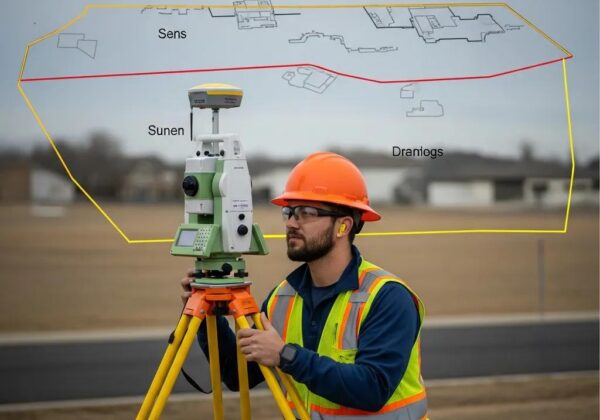
- Precision: GPS, total stations, and LiDAR capture measurements with much smaller error margins than older methods.
- Speed: Digital capture and processing shorten field time and speed draft production.
- Data Management: Software integrates field data with CAD and BIM workflows for consistent deliverables.
These tools make surveys more reliable and easier to reuse for design and permitting.
Why Choose a Survey Company That Uses Advanced Equipment?
The benefits of an equipped team include:
- Cost-Effectiveness: Fewer mistakes and re-surveys lower overall project cost.
- Speed of Service: Faster fieldwork and processing shorten project timelines.
- Quality of Results: Higher-quality data improves design, construction, and permitting outcomes.
Ask bidders which tools they use and how those choices affect deliverables.
How Can I Contact and Request a Transparent Bid from a Local Land Surveying Company?
Requesting a clear bid is simple when you come prepared. The better your brief, the more accurate the proposal.
What Information Should I Provide When Requesting a Survey Bid?
Include these details in your request:
- Project Details: Site address, parcel numbers, scope (boundary, topo, staking), and any plans or permits.
- Timeline Expectations: Permit deadlines, construction start dates, or other hard milestones.
- Budget Considerations: If you have a target range, share it so bidders propose realistic options.
Clear requests reduce assumptions and lead to more comparable bids.
How Do Licensed Surveyors Ensure Reliable Turnaround and Service?
Professional surveyors use practices that keep projects on track:
- Project Management Techniques: Defined milestones, resource planning, and contingency buffers.
- Communication with Clients: Regular progress updates and prompt responses to questions.
- Use of Technology for Scheduling: Software tools help coordinate field crews and track deliverables.
Ask potential firms how they handle updates and unexpected issues before you hire.
In short: compare bids by scope, confirm licenses and tools, and plan for realistic timelines. Following the checklist above will help you hire a surveyor who delivers accurate, timely results.
Frequently Asked Questions
What should I do if I have a dispute with my land surveyor?
Start by discussing the issue with the surveyor and reviewing your contract for dispute resolution steps. If you can’t resolve it directly, contact your state licensing board to file a complaint or request mediation. For serious disputes, consult an attorney experienced in real estate or construction law to review your options.
How can I ensure the land surveying company is insured?
Ask for current certificates of insurance before work begins. Key policies include general liability and professional liability (errors and omissions). Verify coverage limits and effective dates with the insurer if needed. Proper insurance protects you if property damage or professional mistakes occur.
What are the common mistakes to avoid when hiring a land surveyor?
Common mistakes include hiring based solely on price, skipping license checks, and not clarifying the scope. Make sure the contract lists deliverables, timelines, and extra-cost scenarios. Confirm responsiveness and ask for recent references or project examples.
Can I perform my own land survey?
You can take basic measurements for personal reference, but official surveys require licensed professionals. DIY surveys often miss legal subtleties and can’t be submitted for permits or closings. For anything official—transactions, subdivisions, or construction—hire a licensed surveyor.
What should I expect during the surveying process?
Expect a site visit to collect field measurements, identification of markers and structures, and use of GPS or total stations. After fieldwork, the surveyor processes data, prepares maps or plats, and delivers a report. Stay available to answer questions about access or on-site details.
How do land surveyors handle changes in project scope?
Changes are typically handled through written change orders that outline new tasks, timeline adjustments, and cost implications. Discuss potential scope changes up front and ask how the firm documents approvals so you avoid surprises later.
Conclusion
Choosing the right land surveying company comes down to clear bids, verified credentials, and realistic timelines. Use the guidance here to compare proposals, ask the right questions, and hire a team that meets your project needs. When in doubt, request references and a transparent written proposal—good surveyors welcome the scrutiny.