Why December Is the Best Month to Fast‑Track City Approvals for Land Surveys
December often creates a practical window to secure city approvals for land surveying. As municipal review queues thin at year‑end, permit decisions can come faster. This piece shows why December shortens permit timelines, how winter surveying techniques address seasonal field challenges, and how to prepare submission‑ready survey packages timed for year‑end review. Many teams wait until spring and face heavy backlogs; targeting December aligns your timeline with municipal incentives to clear files before year‑end. Read on for a step‑by‑step approach to expedite commercial survey approvals in December, a checklist of required deliverables, winter‑friendly technology options, and a planning timeline to protect your schedule and budget. By the end you’ll know how to sequence fieldwork, documentation, and city coordination to make the most of the December advantage.
What Makes December Ideal for Land Surveying Approvals Through the City?
December works well because cities typically see fewer new applications, staff focus on year‑end tasks, and administrators have incentives to close outstanding items before fiscal transitions. Lower submission volume shortens permit queues and increases the chance a single application gets quicker, focused review — without compromising technical standards. Timing submissions for December aligns a developer’s goal of securing approvals before spring with municipal objectives to finish pending reviews, which shortens overall project lead time. The smaller applicant pool and motivated city staff together create a real opportunity for faster approvals; the sections below explain how winter fieldwork and municipal workflows interact with this timing advantage.
Key, practical benefits when you time surveys for December include:
- Smaller permit queue — fewer new filings means existing packets move faster.
- Year‑end administrative clearing — planning and permitting staff finalize open cases to close books and calendars.
- Strategic project alignment — approvals in December let teams prepare for spring construction mobilization.
These systemic advantages make December a tactical month for submissions and lead into how winter fieldwork affects survey execution.
How Do Winter Conditions Affect Land Surveying for Permits?

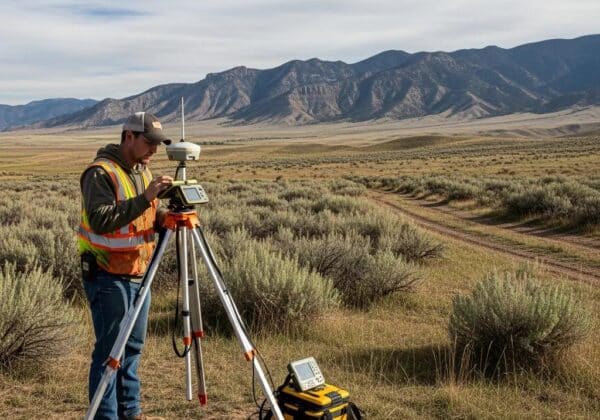
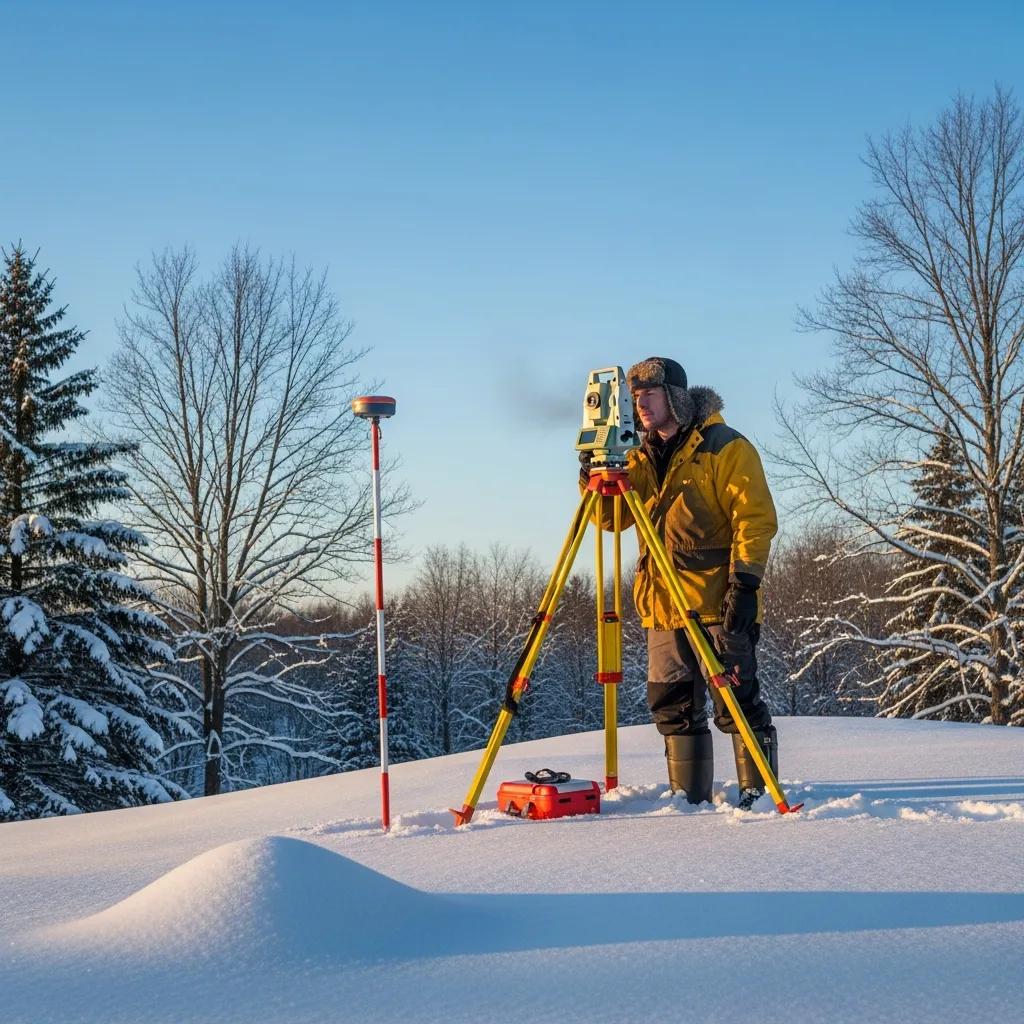
Winter changes visibility, site access, and monument recovery, but modern methods and planning limit those impacts on permit‑ready surveys. Snow and frozen ground can hide surface features and monuments and make topographic detail harder to capture, so you should identify clear windows for ground‑truthing in advance. Common mitigations include LiDAR or drone photogrammetry to map snow‑covered surfaces and RTK GNSS control to establish accurate coordinates even when monuments are obscured. Field crews can place temporary markers or non‑permanent stakes during accessible windows and photograph conditions; that documentation preserves data integrity and gives city reviewers a clear audit trail. These practices explain why municipalities still process December reviews efficiently despite seasonal constraints.
Thoughtful winter preparation reduces rework and helps produce the submission package planners and engineers expect for smooth December reviews.
Why Are City Development Approvals Faster in December?
Approvals often speed up in December because municipal workflows prioritize clearing outstanding items ahead of holidays and fiscal‑year cutoffs. Planning commissions, zoning reviewers, and engineering teams routinely aim to close open docket items for year‑end reporting and staffing reasons, which boosts attention to active applications. Lower intake volumes let reviewers spend more focused time on each packet, and applicants who submit complete, winter‑aware documentation get the biggest benefit. Understanding these municipal drivers helps you time submissions and coordinate pre‑application outreach to take advantage of December’s faster pace.
That municipal behavior creates openings to expedite submissions; the next section lists concrete actions applicants can take to capture those December advantages.
How Can You Expedite the Commercial Land Survey Approval Process in December?
To expedite commercial survey approvals in December, use a disciplined submission strategy: deliver complete survey packages, schedule pre‑application coordination with city staff, and employ winter‑capable technologies to get accurate deliverables right the first time. A proactive timeline and a clear document checklist cut back‑and‑forth and let you leverage December’s lighter review volume. Experienced surveyors and permit coordinators reduce the risk of missing seals, incorrect datums, or incomplete legal descriptions that trigger delays. The subsections below outline a concrete submission chronology and which municipal offices typically respond most actively in December.
Use this practical timeline and checklist to ensure readiness for year‑end review windows.
- Establish control survey and baseline data 8–12 weeks before your target approval date to set datum and coordinates.
- Finalize plats, legal descriptions, and sealed reports 4–6 weeks before submission to allow internal QA and optional city pre‑review.
- Book a pre‑application meeting and submit the full packet 2–3 weeks before the desired review week to align with staff availability.
These steps reduce revision cycles and create a buffer for winter fieldwork, and they lead into which city departments to engage for efficient December processing.
What Steps Streamline Land Survey Submissions During December?
An effective December submission schedule is built by working backward from your target approval week and prioritizing completeness, QA, and early reviewer communication. Start with control surveys and monument checks 8–12 weeks out, complete plats and legal documentation 4–6 weeks out, and run an internal compliance review 2–3 weeks before submission to confirm seals, datums, and certifications. Include photo documentation of winter conditions, clear methodology statements about remote sensing or temporary markers, and a labeled packet of field notes to cut reviewer questions. Treat these items as a disciplined checklist to minimize resubmissions and keep reviews moving despite shorter workweeks and holiday schedules.
Completing these milestones prepares you to engage the municipal offices that handle land development reviews in December.
Which City Departments Are Most Responsive in December?
Planning and zoning departments usually lead land‑use and site‑plan review and are often more responsive in December as they clear dockets and finalize interpretations. Engineering review teams and public works handle technical checks — grading, stormwater, right‑of‑way — and can be responsive when their queues are small or pre‑application meetings resolve open technical questions. Building departments issue final permits once planning and engineering approvals are in place and may expedite sign‑offs when plats and as‑builts are consistent. Direct, concise outreach and asking for specific checkpoint timelines from these departments improves transparency and speeds approvals during year‑end cycles.
Clear departmental coordination reduces delays and sets the stage for compiling required permit documentation, covered next.
What Are the Key Requirements for Land Surveying to Obtain Municipal Permits in December?
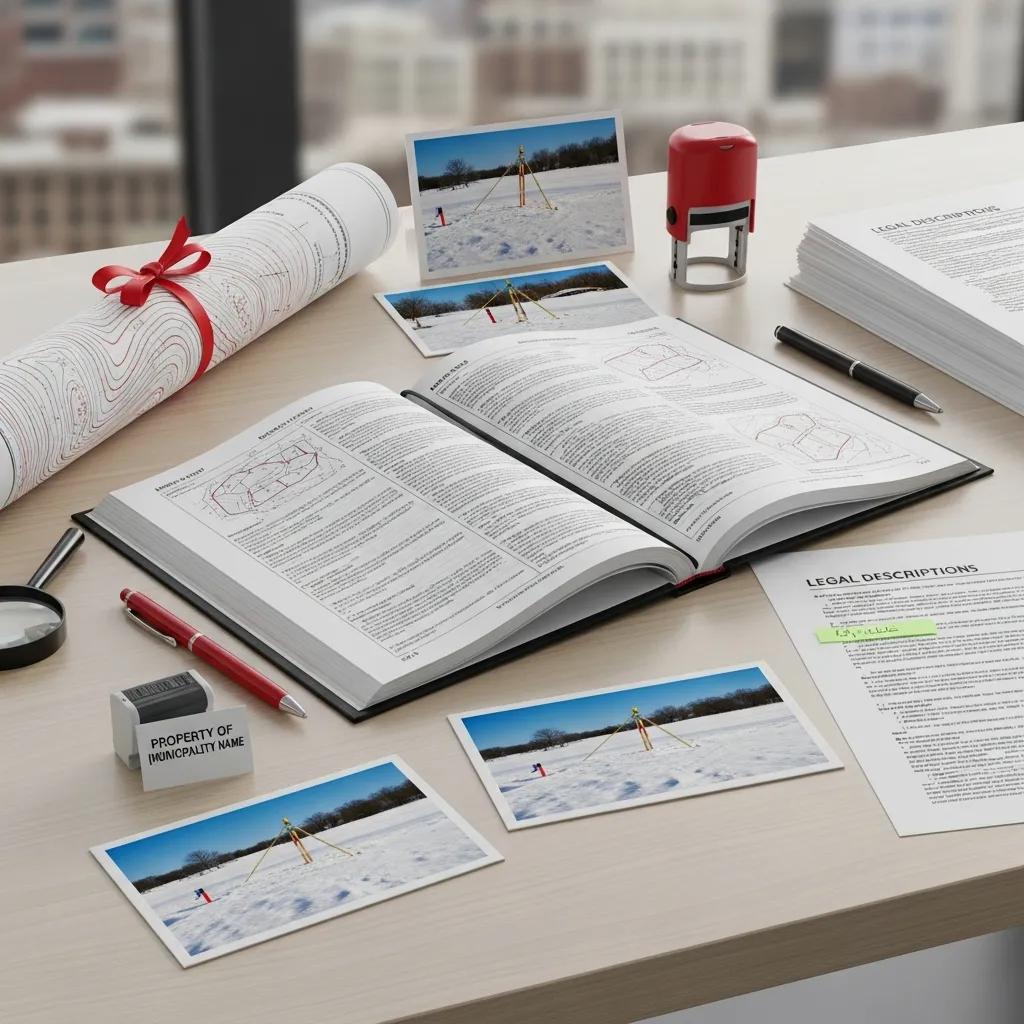
Municipal permits typically require a compliant survey plat, accurate legal descriptions, control and datum statements, professional seals, and supporting field evidence such as photographs and field notes. Cities expect certification language from a licensed surveyor of record, correct datum references, and clearly shown monuments and easements; winter submissions should include method statements for any remote sensing or temporary measures used because of snow or frozen ground. Including every required element in the initial packet reduces iterative reviews and directly leverages December’s faster‑review environment. The subsections below explain how to prepare reports and avoid common winter‑specific pitfalls that cause rejections.
The compact checklist below summarizes typical municipal permit requirements and why they matter.
This table compares common permit requirements with practical checklist items for December submissions.
How to Prepare Land Survey Reports for City Permit Applications?
A submission‑ready survey report includes a cover letter, a sealed plat showing bearings and monuments, a signed certification, methodology notes, control coordinate tables, and winter‑condition photos when relevant. The cover letter should summarize scope, intended permit type, and any temporary measures used due to winter conditions so reviewers can quickly find critical items. Methodology notes must list equipment and datum (for example, RTK GNSS and the vertical datum used) and explain how snow or frozen ground was addressed; that transparency reduces technical questions. Attach field notes and coordinate tables so engineering and building reviewers can verify measurements without additional fieldwork, which supports faster December sign‑off.
Clearly formatted reports shorten reviewer turnaround and set expectations for any follow‑up, helping you avoid common December pitfalls described next.
What Common Challenges Should You Avoid in December Land Survey Approvals?
Common pitfalls include incomplete plats, missing professional seals, incorrect datum references, inadequate photo documentation of winter conditions, and late additions that restart review clocks. Frozen ground and snow can hide monuments or features, so failing to document methodology or to place temporary, recorded markers creates ambiguity and delays. Avoid last‑minute changes to legal descriptions or plats after submission — those often trigger full resubmissions and erase the December timing advantage. Use a submission checklist and confirm all seals, certifications, and coordinate tables are present to increase the chance of first‑pass approval.
Preventing these errors materially improves the odds of quick December approvals and leads into winter technologies that support accurate data capture.
How Does Winter Land Surveying Support City Development Projects in December?
Winter surveying keeps projects moving by allowing approvals to proceed even when construction is seasonally delayed, so teams can finalize permitting and procurement before spring mobilization. With careful planning, winter‑capable technologies like RTK GNSS, LiDAR, and UAV photogrammetry overcome reduced visibility and surface cover to create reliable deliverables for site‑plan review and engineering checks. These practices maintain momentum on the critical path — survey → permit → procurement → mobilization — reducing idle time and protecting budgets from schedule slippage. The subsections below compare effective winter technologies and analyze how December timing affects timelines and budgets.
Combining the right technologies and scheduling choices creates predictable outcomes for December‑driven permitting efforts.
What Technologies Improve Land Survey Accuracy in Winter Months?
RTK GNSS gives high‑accuracy control that’s less affected by surface cover, making it ideal when monuments are obscured. LiDAR and drone photogrammetry capture detailed surface models even with light snow; LiDAR can reveal subtle features beneath sparse cover while drones reduce extended ground exposure. Thermal imaging can sometimes increase contrast for hidden features, though its usefulness is situational. Combining GNSS control with LiDAR or UAV surveys produces redundant datasets that raise reviewer confidence. Choosing the right technology mix for the survey type — boundary, topographic, ALTA/NSPS — reduces winter uncertainty and supports clearer municipal reviews.
Picking the appropriate technology mix reduces rework and influences cost and schedule trade‑offs covered next.
How Does December Surveying Impact Project Timelines and Budgets?
December surveying can cut indirect project costs by shortening permit timelines and enabling procurement before spring, though winter fieldwork may slightly raise direct survey costs because of specialized equipment and safety measures. Savings come from avoiding expedited review fees and reducing holding costs for delayed construction starts; extra line items may include cold‑weather access, temporary markers, and extended QA time. In short: shorter municipal review lowers contingency holding costs, while winter field premiums cover equipment and mobilization. Understanding these trade‑offs helps owners decide whether the December timing outweighs modest winter expenses.
When teams plan ahead and minimize resubmissions, optimizing for December usually yields net schedule and budget gains. You can learn more about land surveys.
What Are the Benefits of Scheduling Land Surveying Approvals in December?
Scheduling survey approvals in December delivers strategic benefits: faster municipal review, better alignment with pre‑construction schedules, and potential cost avoidance through shorter holding periods. December timing often reduces exposure to permit backlogs and raises the chance of first‑pass approval because reviewers handle fewer new applications and are motivated to close pending items. For developers, approvals in December improve coordination of contractors, financing timelines, and spring mobilization — turning a seasonal constraint into a planning advantage. The table below summarizes typical permit turnaround and city responsiveness in December versus busier months.
This comparison highlights measurable differences between December and peak permitting months.
How Does December Timing Reduce Permit Delays and Costs?
December timing reduces delays mainly by shortening administrative queue time and improving municipal responsiveness, which lowers indirect costs like financing carry, site holding, and contractor idle time. When applications are complete and winter‑appropriate documentation is included, reviewers can close files instead of waiting for spring dockets — eliminating expensive resubmissions or rush fees. Developers who capture December approvals often avoid premium processing costs and can set construction budgets with more certainty. The result is a clearer schedule alignment that frequently offsets modest winter‑field surcharges.
Recognizing these savings explains why many teams intentionally sequence permitting to capture December efficiencies, which we cover next in developer motivations.
Why Do Developers Prefer December for Land Survey City Approvals?
Developers prefer December because it aligns with budgeting cycles, supports planning for spring mobilization, and reduces exposure to peak‑season review backlogs that can cause costly schedule slippage. Securing permits before the new year helps with contract execution, procurement scheduling, and lender reporting — letting teams meet construction‑ready milestones without spring‑time uncertainty. December approvals also give project managers time to finalize design adjustments while construction is on pause, smoothing the transition to mobilization. These practical advantages make December a repeatable tactic for teams seeking predictable timelines and tighter budget control.
With those benefits in mind, effective planning is essential — covered next with practical scheduling and coordination guidance.
How to Plan Your Land Surveying Project for December City Approvals?
Planning a December‑focused survey starts with reverse‑engineering your target approval date: set milestone dates for control surveys, plat drafting, internal QA, and pre‑application meetings that fit municipal calendars and holiday schedules. Book experienced crews and winter‑capable equipment early, add explicit contingency days for weather, and establish a clear communication cadence with city staff to reduce seasonal disruption risk. Assign responsibilities, confirm required documents, and prepare contingency plans for inaccessible monuments or extended review clarifications. The table below lists common tasks, owners, and lead times to clarify scheduling windows for December submissions.
Use the task table to assign owners and estimate the best December scheduling windows for each milestone.
What Are the Best Practices for Scheduling Surveys in December?
Best practices include booking experienced crews early, building buffer days for weather, sequencing tasks so drafting and checks can run in parallel, and documenting winter methodologies for city reviewers. Confirm availability of RTK GNSS, LiDAR, and drones and reserve crews to avoid a holiday‑week rush; securing equipment early delivers reliable winter data. Use an internal QA checkpoint before submission to catch missing seals, datum mismatches, or incomplete attachments that cause resubmissions. These steps increase first‑pass acceptance and preserve December’s municipal responsiveness advantage.
Early, deliberate scheduling reduces friction and supports the direct coordination with city officials discussed next.
How to Coordinate with City Officials for Faster December Approvals?
Coordinate by scheduling pre‑application meetings, identifying a primary reviewer contact in planning or engineering, and setting a concise follow‑up cadence (email or short calls) to confirm receipt and next steps. Ask city staff for their winter review calendar and request target response windows, then provide submission packets in clear, labeled formats that highlight the items you want them to confirm. Where possible, request a brief expedited window or consolidate questions into a single list to avoid fragmented feedback. Polite, focused communication and clarified reviewer checkpoints increase transparency and help applications move quickly through December review cycles.
If you’re engaging a survey and engineering firm, these coordination practices are core to how a professional team manages December submissions and minimizes resubmission risk. Experienced surveyors and permit coordinators ensure the technical package matches municipal expectations and positions projects for year‑end approvals.
Contact us to schedule December survey planning, confirm available windows, and secure crews and coordination support for year‑end permit submissions.
Frequently Asked Questions
What are the advantages of using technology like LiDAR and drones for winter land surveying?
LiDAR and drones offer clear advantages in winter. LiDAR can capture surface detail through light snow and reveal subtle topography that might be missed on the ground. Drones provide efficient aerial coverage, reducing time on the ground in cold conditions. Together they improve accuracy, speed data collection, and produce deliverables that meet municipal requirements even when field conditions are challenging.
How can developers prepare for potential delays in December land surveying?
Mitigate delays by planning early: schedule control surveys and draft legal documents 8–12 weeks before your target approval, confirm submission requirements with city staff, and include buffer days for weather. Clear, early communication with municipal reviewers and a complete submission packet further reduce the risk of last‑minute issues and keep approvals on track.
What should be included in a land survey report for December submissions?
A complete December survey report should have a cover letter summarizing scope and permit type, a sealed survey plat with bearings and monuments, a signed certification, and methodology notes that explain how winter conditions were handled. Attach control coordinate tables and relevant winter photos so reviewers can verify measurements without extra fieldwork — this minimizes follow‑up questions.
What are the common pitfalls to avoid when submitting land surveys in December?
Avoid incomplete documentation, missing seals, and poor photo evidence of winter conditions. Failing to document methods used to address snow or frozen ground causes ambiguity and delays. Last‑minute changes to plats or legal descriptions after submission can force full resubmissions, negating the December advantage. Use a detailed checklist and confirm all elements are present before you submit.
How does December surveying impact overall project budgets?
December surveying can reduce indirect costs by shortening permit timelines and enabling procurement and contracting before spring. Winter fieldwork may add modest direct costs for specialized equipment and safety measures, but the savings from avoiding rush fees and reduced holding costs often outweigh those extras. With careful planning, December surveys typically deliver net budget benefits.
What role does communication with city officials play in expediting approvals?
Effective communication is essential. Pre‑application meetings, a designated reviewer contact, and brief, regular follow‑ups help confirm receipt and expected timelines. Providing clearly labeled submission packets and requesting target response windows increases transparency and speeds review — especially during the busy holiday season.